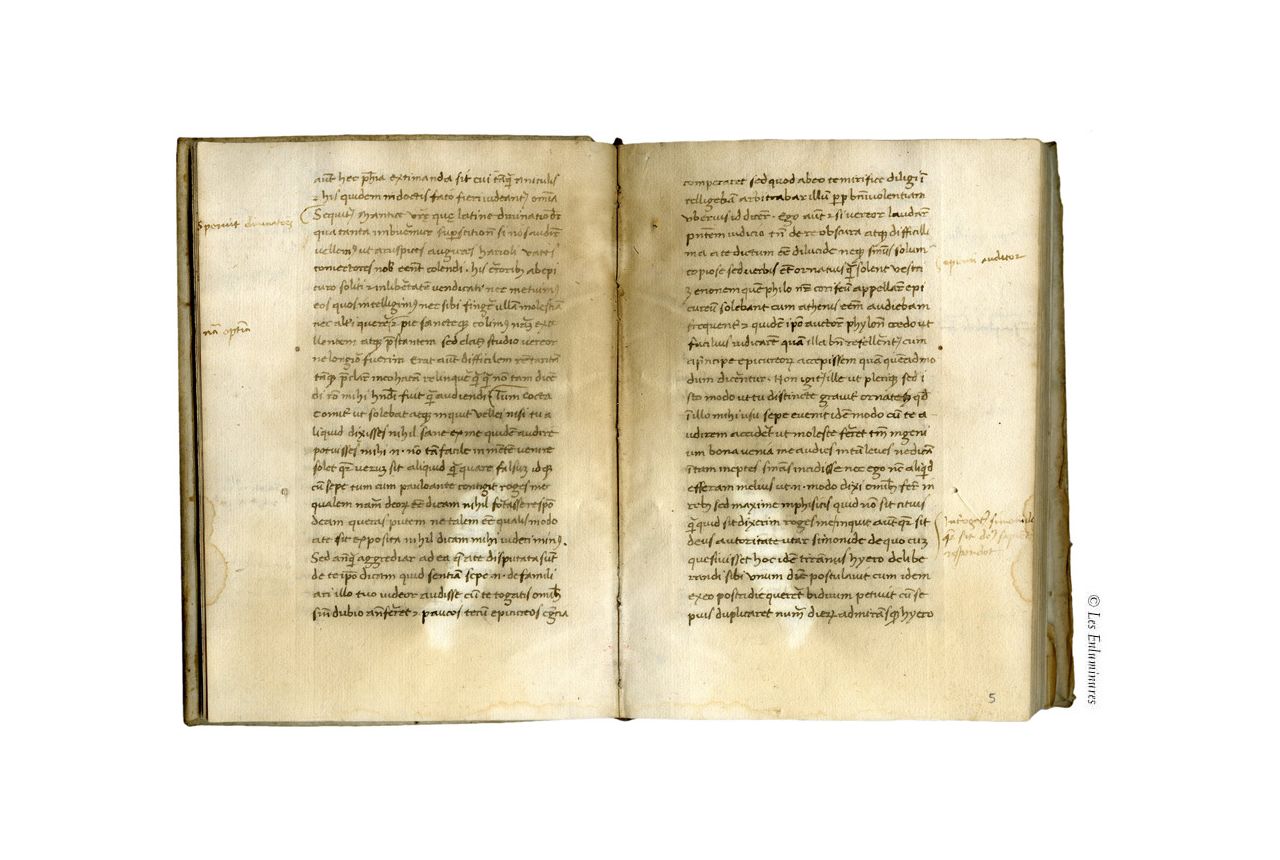
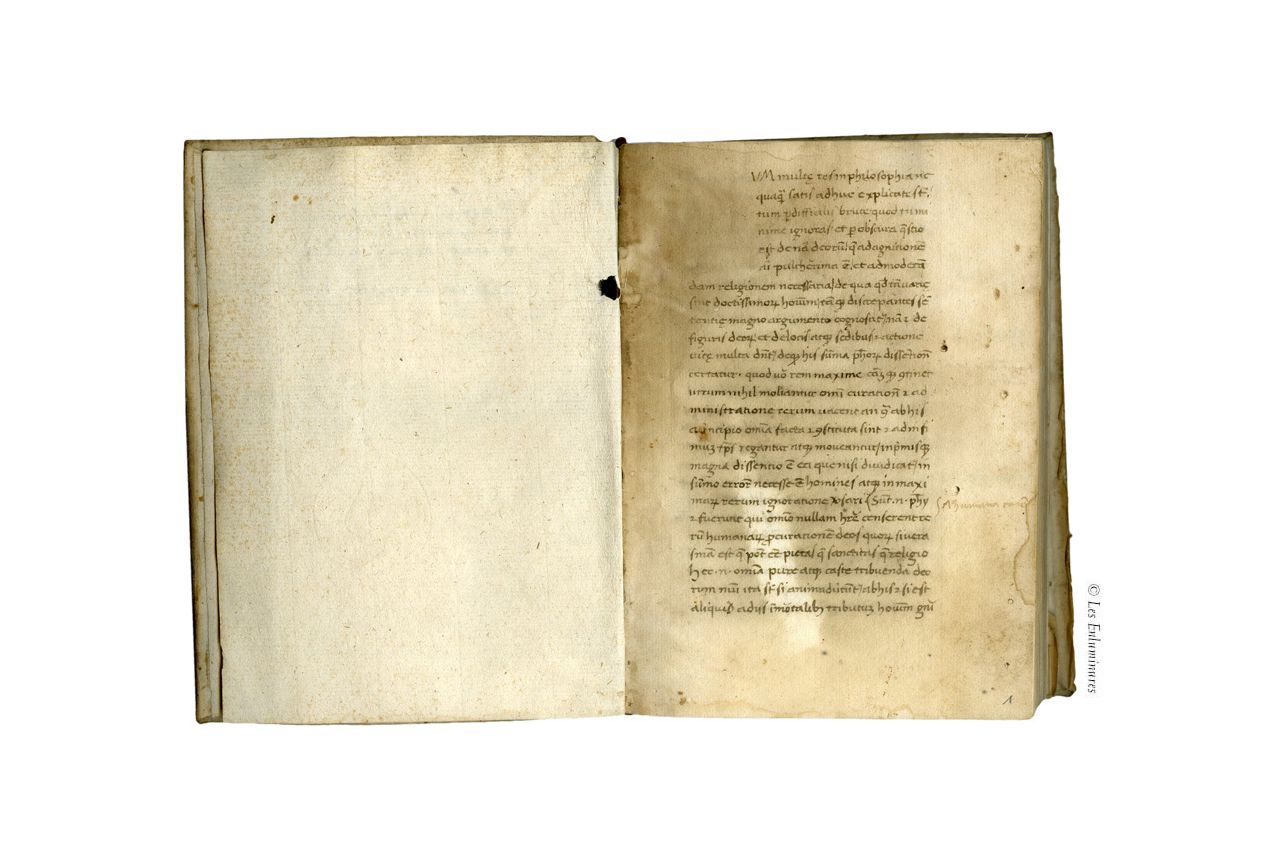
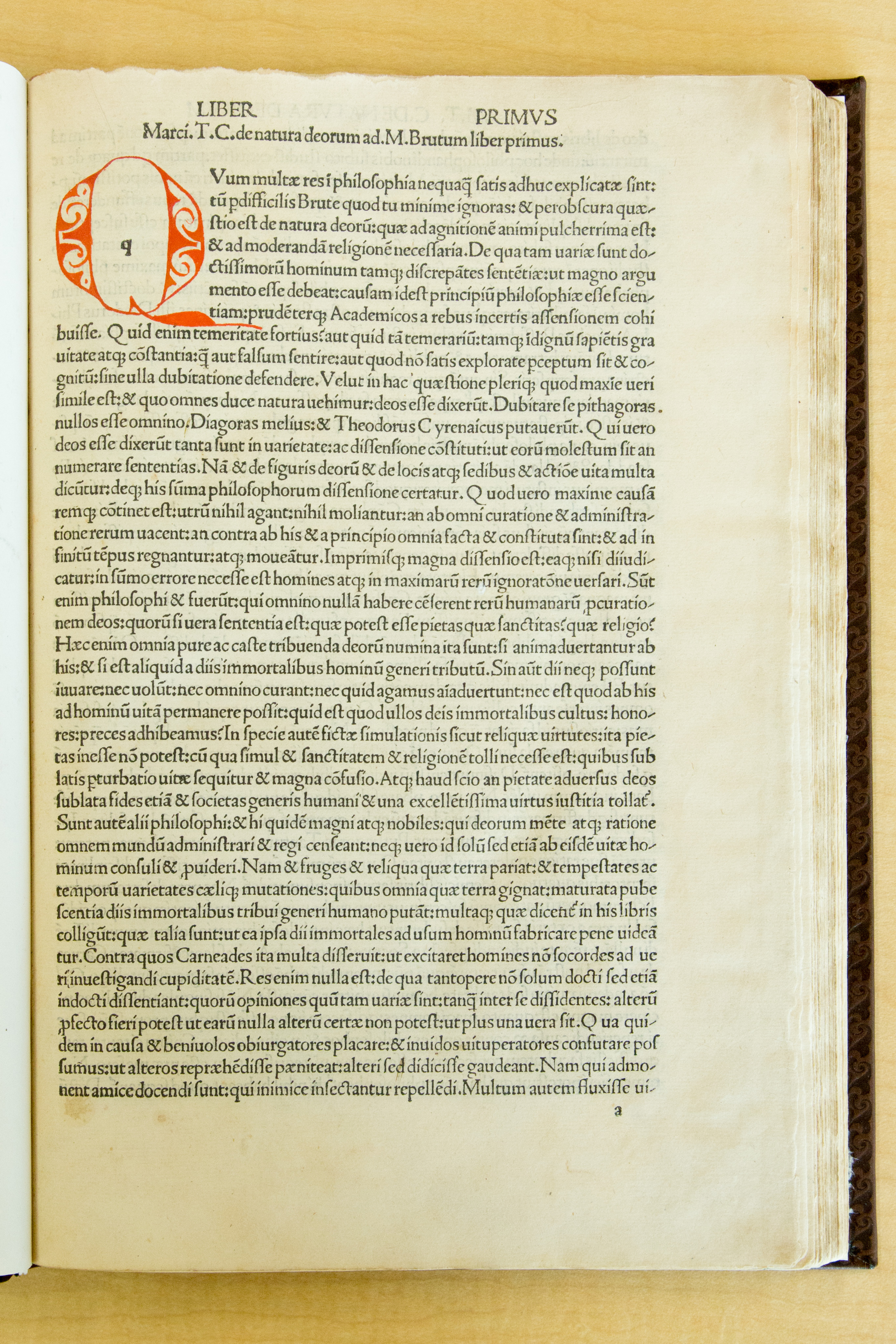
Cicero De Natura Deorum Latin

de Natura Deorum. M. Tullius Cicero. O. Plasberg. Leipzig. Teubner. 1917. This work is licensed under a Creative Commons Attribution-ShareAlike 3.0 United States. De Natura De...
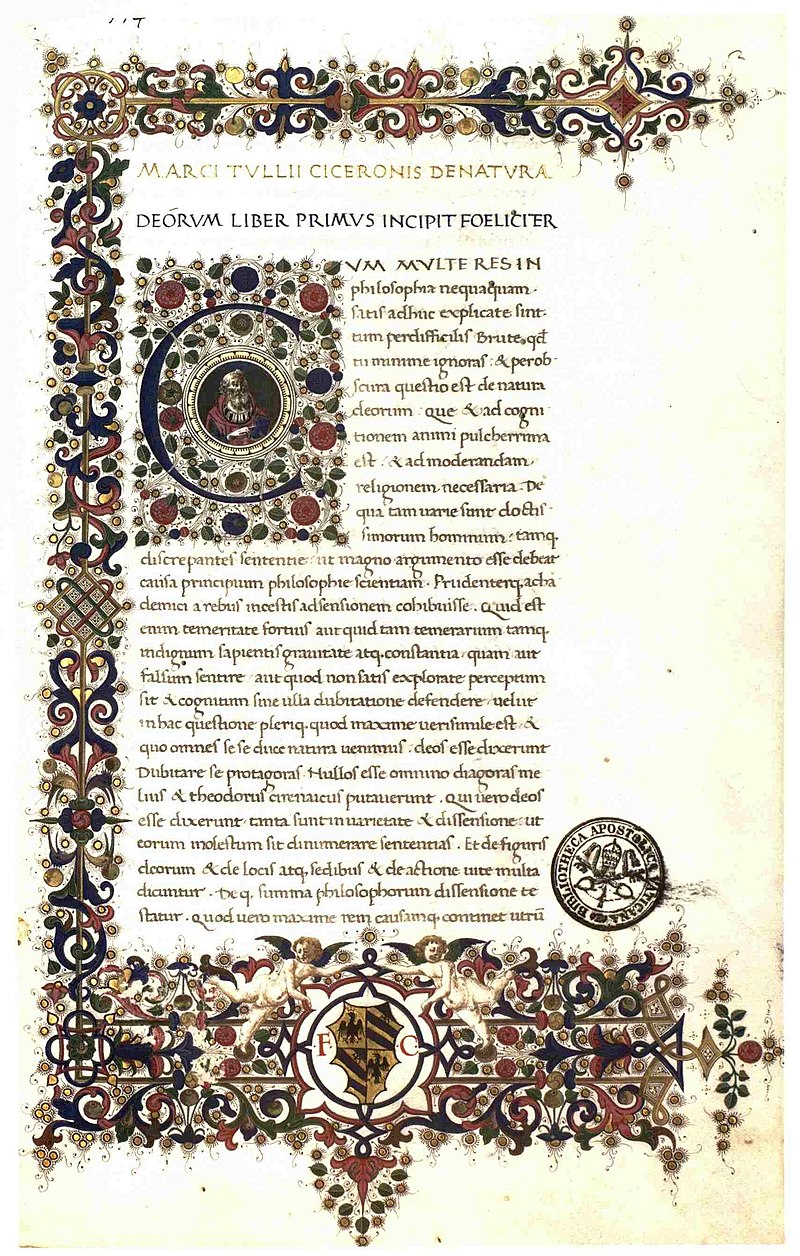
Cicero De Natura Deorum jest trzema dialogami, które składają się na dzieło poświęcone helleńskiemu panteonowi. Autorem jest rzymski filozof, mówca i pisarz, określany jako jeden z najważniejszych mówców i myślicieli starożytnego świata, Marcus Tullius Cicero.
Dialogi, składające się na De Natura Deorum, skupiają się na trzech głównych problemach: naturze bogów, istnieniu bogów oraz ludzkiej wiedzy na temat bogów. Głównymi postaciami w tych dialogach są Cicero, który reprezentuje woluntarystyczne podejście do religii, Balbus, który reprezentuje stoicką teorię i kapłanka Velleia, która reprezentuje akademickie podejście. Wspólnym celem dialogów jest ustalenie, czy ludzie są w stanie poznać istnienie bogów.
Krok po kroku:
- Część pierwsza dialogu skupia się na problemie natury bogów i jest przeprowadzana przez Cicerona, Balbusa i Velleię.
- Część druga skupia się na problemie istnienia bogów i skupia się przede wszystkim na dyskusji Cicerona i Balbusa.
- Ostatnia część dialogu skupia się na problemie ludzkiej wiedzy na temat bogów i skupia się na dyskusji Cicerona, Balbusa i Vellei.
Dialogi mają na celu ustalenie, czy ludzie są w stanie poznać istnienie bogów. Ciceron stara się udowodnić, że istnienie i działanie bogów można poznać tylko poprzez dedukcję, natomiast Balbus twierdzi, że można je poznać przez analizę zjawisk zachodzących w przyrodzie. Kapłanka Velleia zaproponowała, że można je poznać poprzez porównywanie i interpretowanie mitów i legend.
W części pierwszej dialogu, Balbus twierdzi, że bogowie są istotami doskonałymi, które rządzą przyrodą i są w stanie nadać jej kształt i cel. Natomiast Velleia stara się udowodnić, że bogowie nie są doskonałymi istotami, ale są w stanie wpływać na działanie ludzi poprzez swoje działania i słowa. W części drugiej dialogu, Balbus i Cicero dyskutują o tym, jak można poznać istnienie bogów. Balbus twierdzi, że można to zrobić poprzez analizę zjawisk zachodzących
de Natura Deorum. M. Tullius Cicero. O. Plasberg. Leipzig. Teubner. 1917. This work is licensed under a Creative Commons Attribution-ShareAlike 3.0 United States. De Natura Deorum. Marcus Tullius Cicero. Princeton University Press, Nov 5, 2019 - History - 168 pages. 0 Reviews. Reviews aren't verified, but Google checks for. De Natura Deorum, II. methodically to the work of generation.’ a For he holds that the special function of an art or craft is to create and generate, and that what in the.
De Natura Deorum, III. done so, and no eloquence of anybody, learned or unlearned, shall ever dislodge me from the belief as to the worship of the immortal gods which I. De Natura Deorum, I. briefer than the subject demands. Epicurus then, as he not merely discerns abstruse and recondite things with his mind’s eye, but handles them as. de Natura Deorum, On the nature of the gods; On divination; On fate; On the republic; On the laws; and, On standing for the consulship. Number: On divination URN:.
De natura deorum; Academica; by. Cicero, Marcus Tullius, author. Publication date. 1933. Topics. Theology -- Early works to 1800, Gods, Roman -- Early works to 1800,. de Natura Deorum. M. Tullius Cicero. O. Plasberg. Leipzig. Teubner. 1917. This work is licensed under a Creative Commons Attribution-ShareAlike 3.0 United States License.. M. TVLLI CICERONIS DE NATVRA DEORVM Liber Primus: Liber Secundus: Liber Tertius. Cicero The Latin Library The Classics Page
De Natura Deorum Introduction Subject .—In De Natura Deorum Cicero put before Roman readers the theological views of the three schools of philosophy that. Translation of de Natura Deorum, 53. Source: M. Tullius Cicero, de Natura Deorum O. Plasberg, Ed. "Of the five that orbit closest to earth, the star Venus is known as. de Natura Deorum. M. Tullius Cicero. O. Plasberg. Leipzig. Teubner. 1917. This work is licensed under a Creative Commons Attribution-ShareAlike 3.0 United States License.