Falling Barometric Pressure Precedes The Onset Of Bad Weather

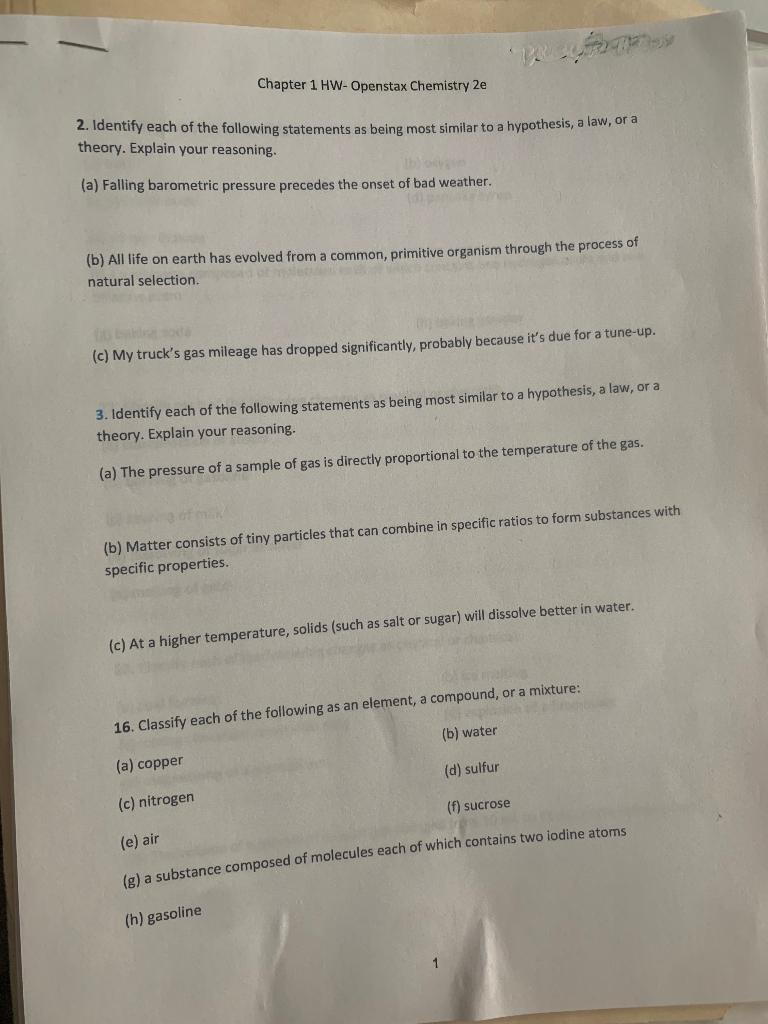
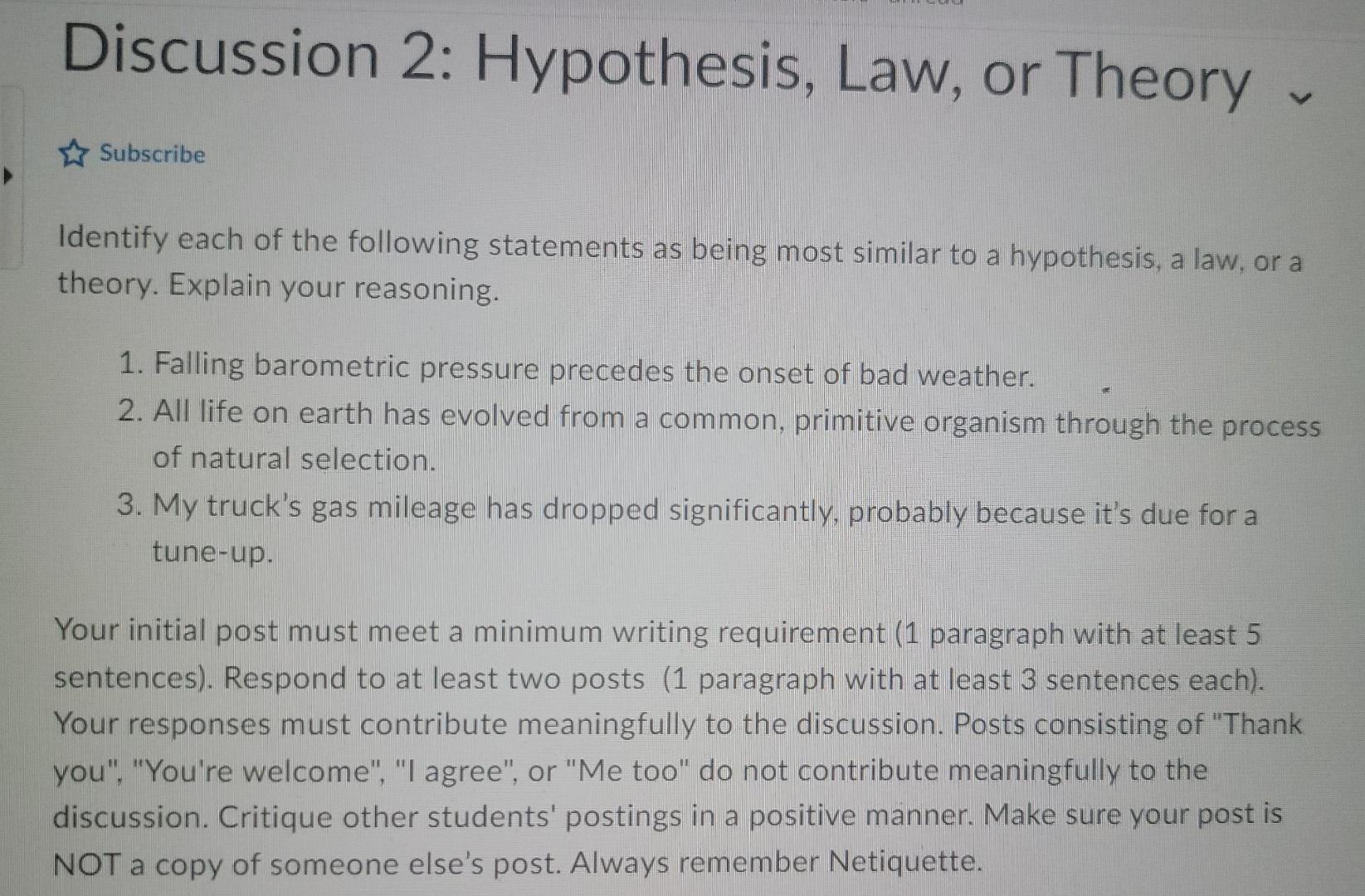
Falling barometric pressure precedes the onset of bad weather. All life on earth has evolved from a common, primitive organism through the process of natural selection.. (a) F...
Spadające ciśnienie atmosferyczne jest jednym z ważnych wskaźników przewidywania pogody. Spadek ciśnienia wskazuje na nadejście złej pogody. Spadek ciśnienia jest zazwyczaj poprzedzony zmianami w zachowaniu wiatru, dlatego ważne jest śledzenie zmian wiatru w celu wczesnego wykrycia spadku ciśnienia.
Ciśnienie atmosferyczne jest mierzone w milibarach (mb) lub hektopaskalach (hPa). Normalne ciśnienie atmosferyczne wynosi 1013 mb lub 1013 hPa. Wraz ze spadkiem ciśnienia atmosferycznego, ciśnienie atmosferyczne obniża się poniżej tego poziomu. Spadek ciśnienia atmosferycznego może oznaczać, że zmienia się kierunek wiatru, a także, że nadejdą złe warunki pogodowe.
Gdy ciśnienie atmosferyczne spada, często występują następujące zmiany:
- Niskie ciśnienie koncentruje się wokół obszaru z niższymi temperaturami.
- Zmienia się kierunek wiatru, aby obejść obszar niskiego ciśnienia.
- Wzrasta wilgotność powietrza, co prowadzi do deszczu lub śniegu.
- Zmienia się również barwa nieba, gdyż jest ona szczególnie niebieska lub szara.
Aby skutecznie przewidywać pogodę, ważne jest śledzenie ciśnienia atmosferycznego. Spadek ciśnienia jest dobrym wskaźnikiem, że pogoda się pogorszy. Śledzenie ciśnienia atmosferycznego jest szczególnie ważne w przypadku burz, które mogą zabrać ogromne ilości deszczu, a nawet śniegu.
W celu zapewnienia bezpieczeństwa należy śledzić zmiany w ciśnieniu atmosferycznym, aby wiedzieć, kiedy należy się spodziewać złych warunków pogodowych. Spadek ciśnienia atmosferycznego jest ważnym wskaźnikiem, że nadchodzi zła pogoda i trzeba być przygotowanym.
Śledzenie ciśnienia atmosferycznego może pomóc w wykrywaniu złych warunków pogodowych. Może również pomóc w zapobiegan
Falling barometric pressure precedes the onset of bad weather. All life on earth has evolved from a common, primitive organism through the process of natural selection.. (a) Falling barometric pressure precedes the onset of bad weather. (b) All life on earth has evolved from a common, primitive organism through the process of. Falling barometric pressure precedes the onset of bad weather. All life on earth has evolved from a common, primitive organism through the process of natural selection..
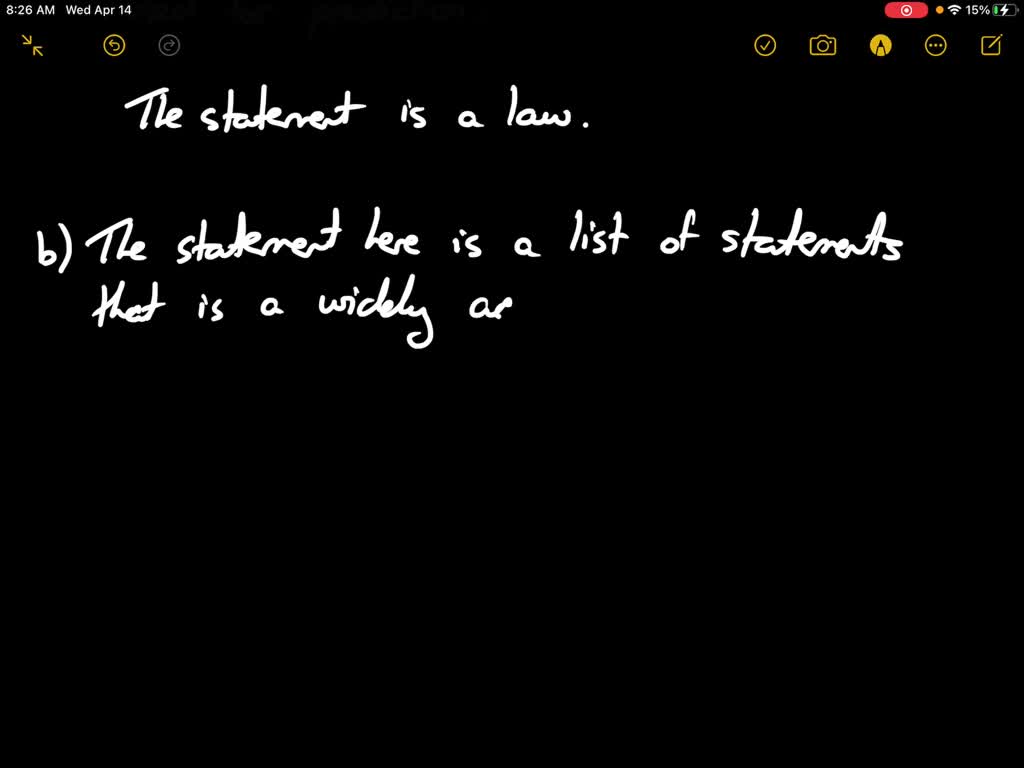
(a) Falling barometric pressure precedes the onset of bad weather. (b) All life on earth has evolved from a common, primitive organism through the process of natural. “Falling barometric pressures precedes the onset of bad weather”. I believe this statement is most similar to a law. I say this because it is something consistently. Falling barometric pressure precedes the onset of bad weather . b. All life on earth has evolved from a common , primitive organism through the process of natural selection.
Barometric pressure can also influence some people’s moods and pain perception. If you’re feeling down on a gray, rainy day, you’re more likely to notice your headache. Barometers are used to predict the weather. A barometer measures air pressure: A "rising" barometer indicates increasing air pressure; a "falling" barometer. (a) Falling barometric pressure precedes the onset of bad weather. (b) All life on earth has evolved from a common, primitive organism through the process of.
(a) Falling barometric pressure precedes the onset of bad weather. (b) All life on earth has evolved from a common, primitive organism through the process of natural. A falling barometric pressure precedes the onset of bad weather because it indicates that the air pressure is decreasing. This decrease in Step 2/2 air pressure allows cold,.