Global Flow Of Silver Dbq Essay

The global flow of silver managed to redefine the social structure in many societies, as well as dramatically altered the basis of the economy in many European and Asian. The...
Globalny przepływ srebra jest procesem wymiany międzynarodowej, który zaczął się w XV wieku i trwał do końca XIX wieku. Srebro było transportowane przez porty i handlowane w wielu krajach. Srebro odgrywało ważną rolę w gospodarce ówczesnego świata, w tym w rozwoju kolonializmu. Globalny przepływ srebra ma wpływ na współczesne relacje między państwami i ich poziom handlu.
Globalny przepływ srebra rozpoczął się wraz z ekspansją portugalską w XV wieku. Porty w Portugalii, Hiszpanii, Meksyku i Peru stały się centrami produkcji srebra. Większość srebra była transportowana z Ameryki Południowej do Europy, a następnie do Chin i Japonii. W trakcie tego procesu przepływu srebra, wiele krajów wzięło udział w jego wymianie. Chiny były głównym odbiorcą srebra, które było dostarczane głównie przez Portugalczyków, Hiszpanów i Holendrów.
Handel srebrem służył jako wsparcie dla europejskiego kolonializmu w Ameryce Łacińskiej. Wymiana srebra pomiędzy krajami była ważnym czynnikiem wpływającym na ich wzajemne relacje. Srebro było używane jako środek wymiany do handlu towarami, a także jako waluta lub forma płatności. Handel srebrem również przyczynił się do rozwoju gospodarczego wielu krajów.
W XIX wieku globalny przepływ srebra spowolnił w wyniku wprowadzenia przez Chiny restrykcyjnego systemu monetarnego. W tym samym czasie, odkrycie złota w Ameryce Północnej stało się głównym czynnikiem napędzającym przepływ srebra na całym świecie. Złoto zaczęło zastępować srebro jako główny środek wymiany i waluta handlowa.
Globalny przepływ srebra ma długotrwały wpływ na współczesne relacje międzynarodowe. Handel srebrem przyczynił się do rozwoju handlu międzynarodowego, a także do powstania silnych relacji między krajami. Srebro jest również używane jako waluta rezerwowa w wielu krajach. W wielu krajach srebro jest również używane jako środek wymiany i płatności, co wp
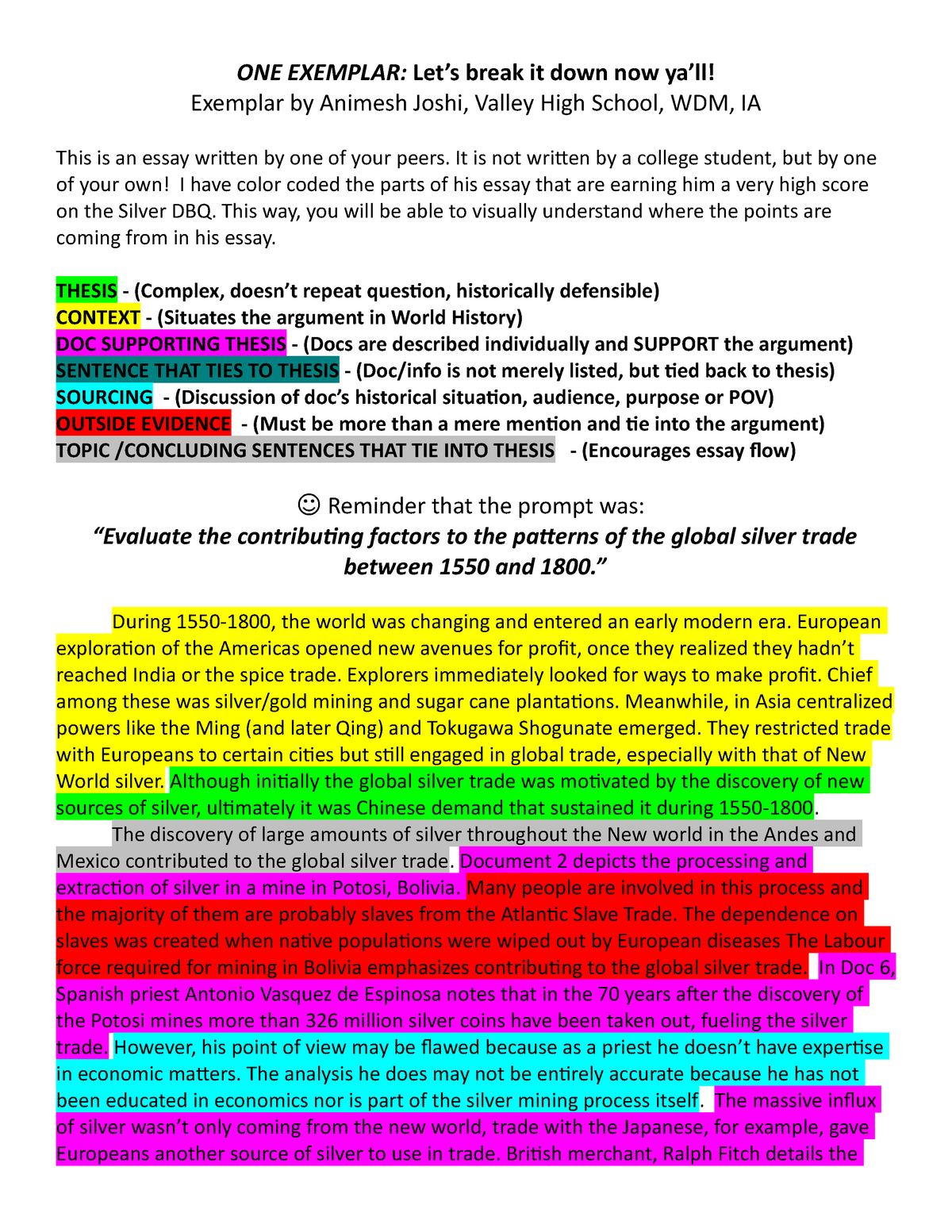
The global flow of silver managed to redefine the social structure in many societies, as well as dramatically altered the basis of the economy in many European and Asian. The global flow of silver managed to redefine the social structure in many societies, as well as dramatically altered the basis of the economy in many European. The Age of Exploration (15th and 16th century) began the discovery of greater use of silver. At the beginning, the goal was to find a new trade route to Asia but ended up in.
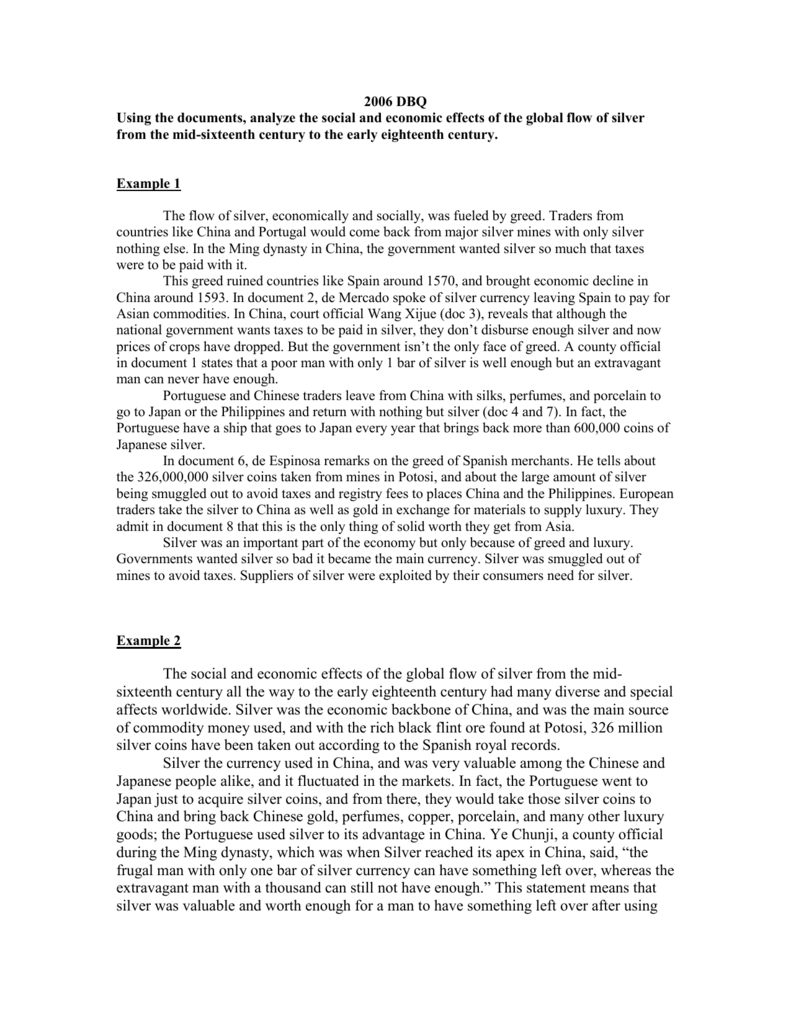
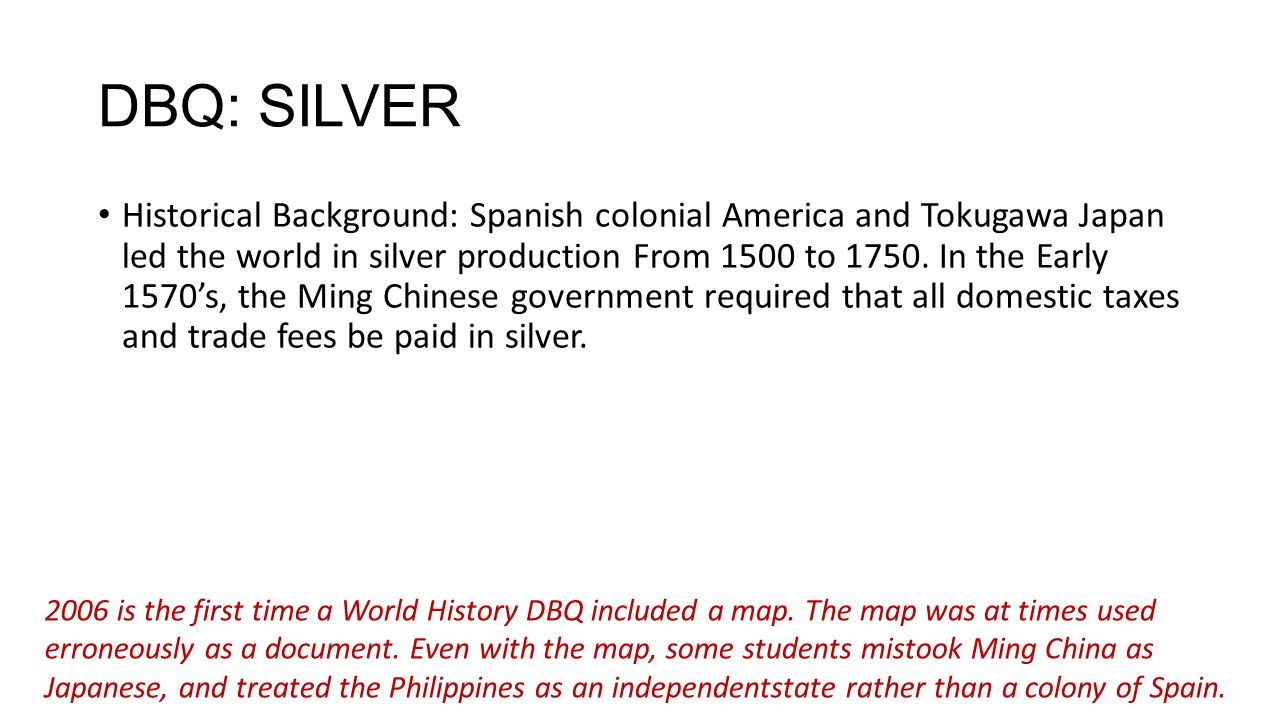
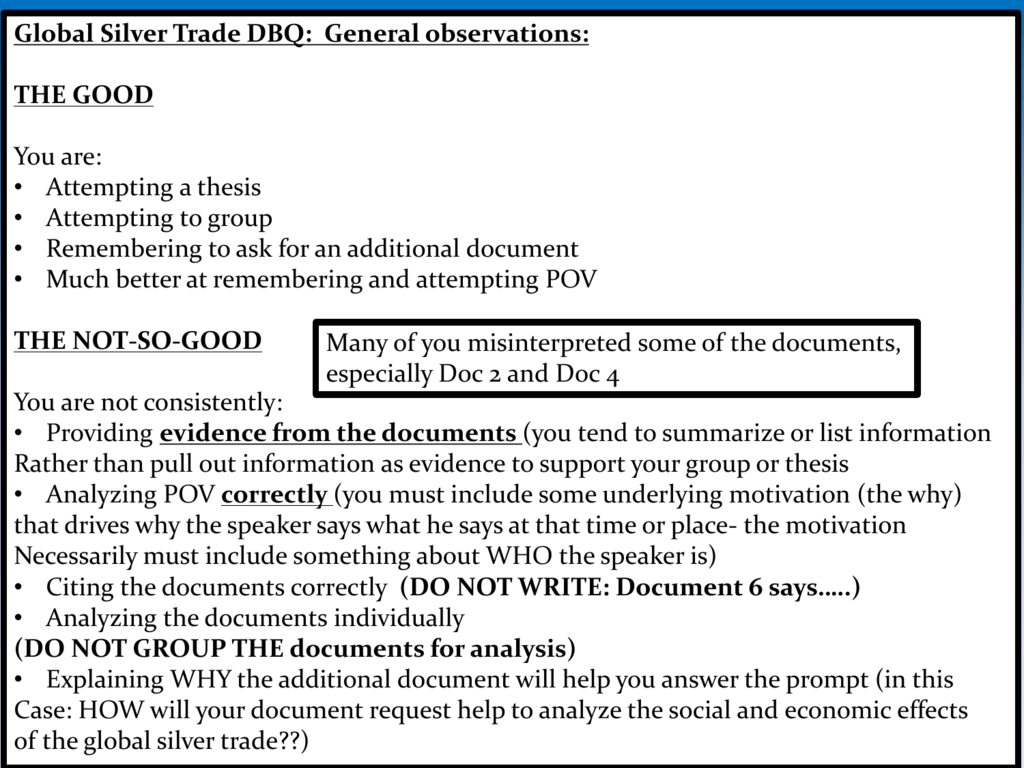
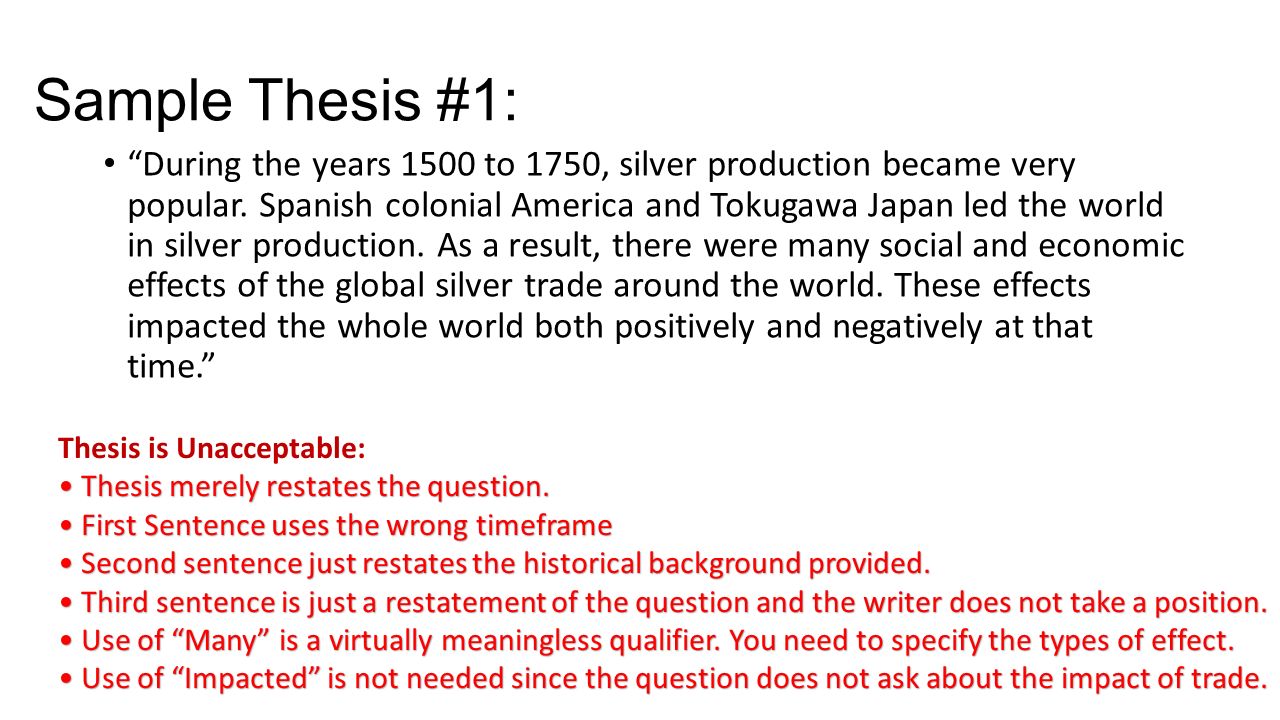
group one (documents 4 and 8) positive. group two (documents 2 and 6) negative. group three (documents 3, 5, 7) negative. thesis. the flow of silver had numerous social and. Global flow of Silver Thesis The increasing global flow of silver from the mid-sixteenth century to the early eighteenth century affected all areas involved in the. effects of the global flow of silver from the mid-sixteenth century to the early eighteenth century. f Document 1. Source: Tomás de Mercado, Spanish scholar, Manual of Deals.
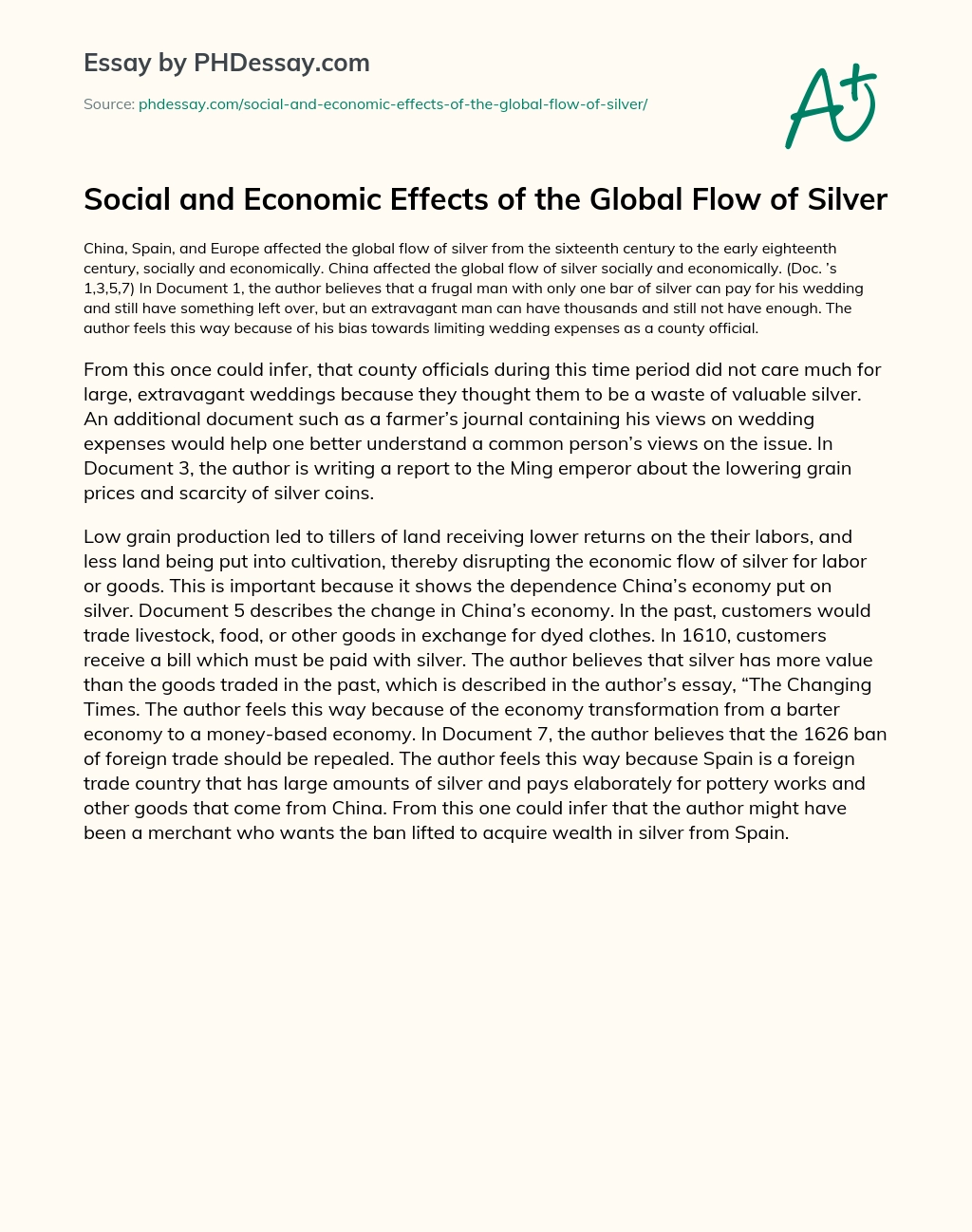
Write a thesis that demonstrates analysis and answers all parts of the question. Question: Using the documents provided and your knowledge of world history, analyze the. Social and Economic Effects of the Global Flow of Silver. China, Spain, and Europe affected the global flow of silver from the sixteenth century to the early. Flow of Silver DBQ The booming growth and development of silver during the mid-16th century to the early 18th century had various social and economic effects in many.
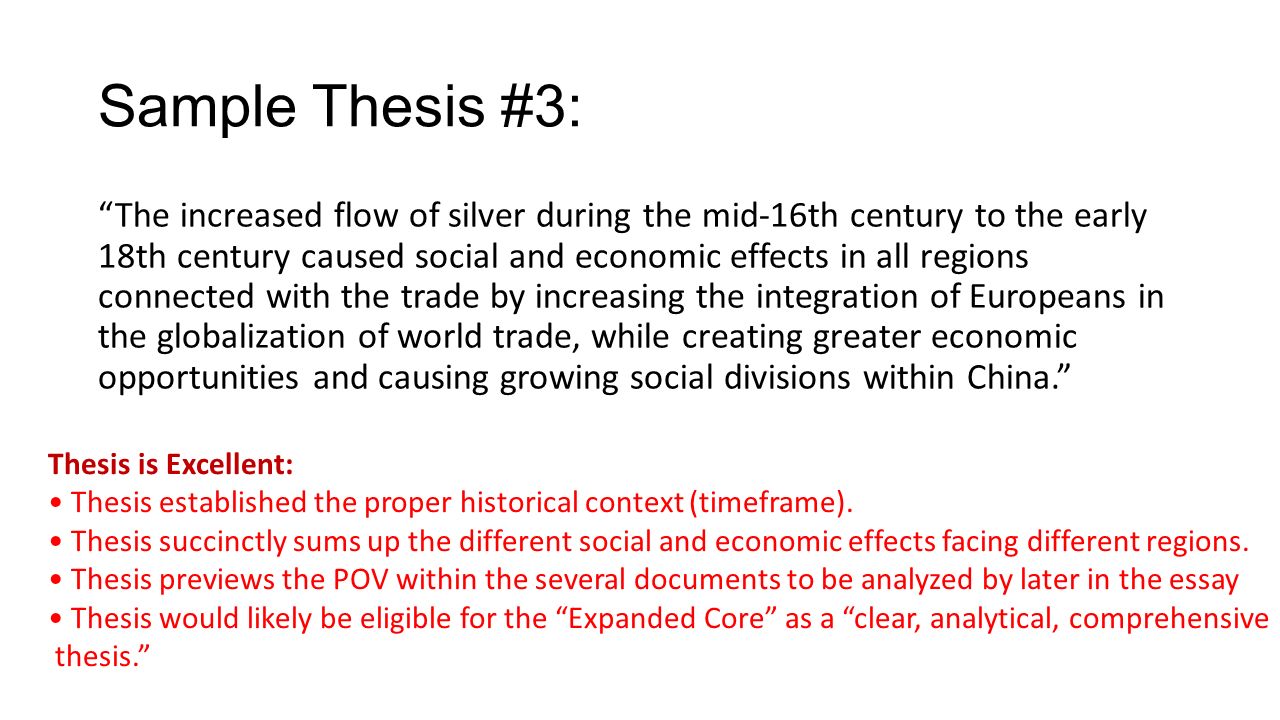
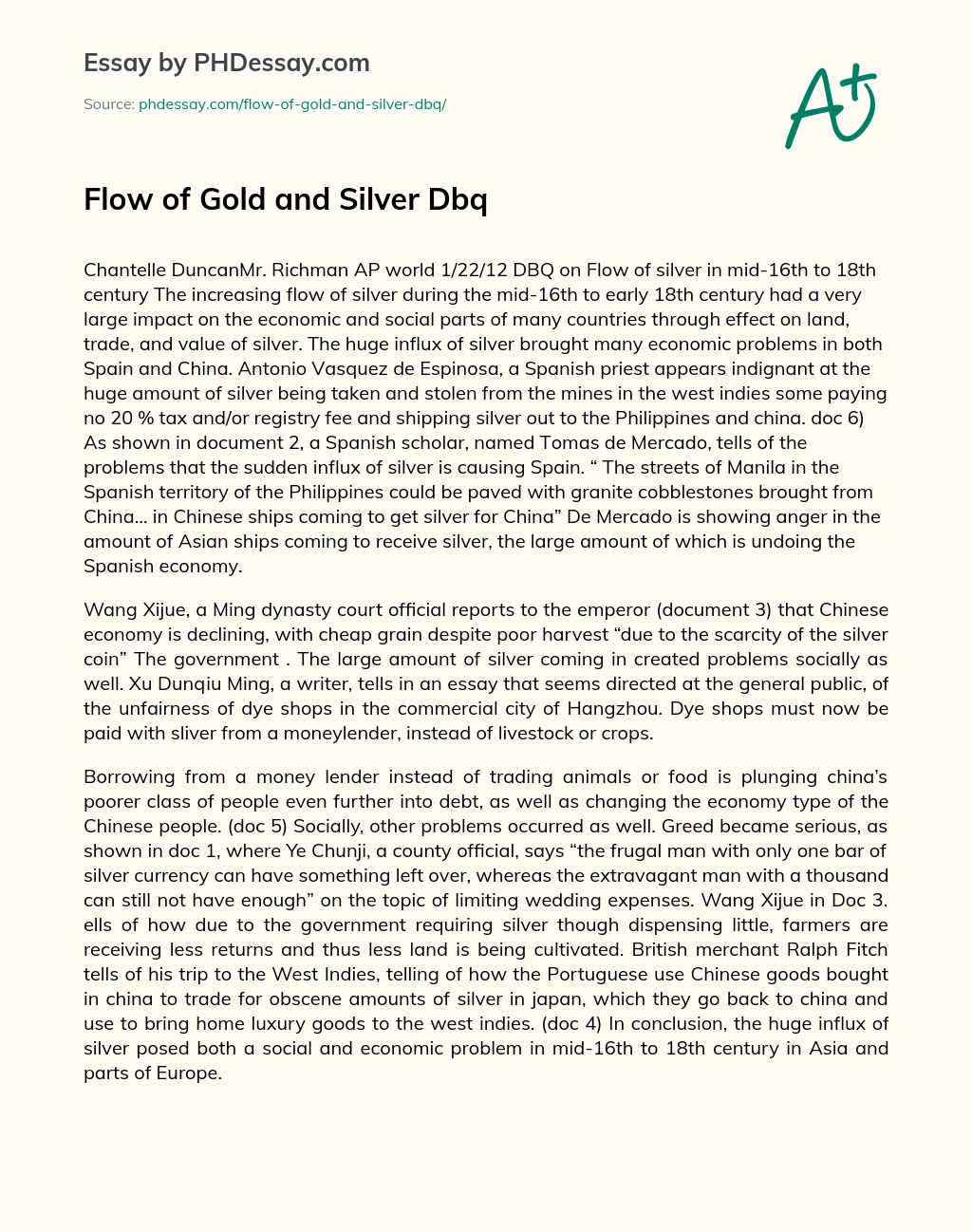
Chantelle DuncanMr. Richman AP world 1/22/12 DBQ on Flow of silver in mid-16th to 18th century The increasing flow of silver during the mid-16th to early 18th. Silver Trade Dbq. 1183 Words5 Pages. The increased flow of silver during the mid-16th century to the early 18th century caused social and economic effects in all regions.