Host Virtual Flash Resource Status

This monitor tracks the vCenter alarm that monitors host virtual flash resource status. By default, the alarm is triggered by the following events:. The host swap cache is all...

Host Virtual Flash Resource Status, czyli stan zasobów wirtualnej pamięci flash, może być szczególnie istotny dla wszystkich, którzy korzystają z systemu operacyjnego opartego na Windows. Platforma Windows pozwala użytkownikom na tworzenie wirtualnych dysków flash, które są używane do przechowywania danych i aplikacji. Stworzenie wirtualnego dysku flash może pomóc w zwiększeniu wydajności systemu, ponieważ dane są przechowywane na dysku flash, a nie na tradycyjnym dysku twardym.
Aby sprawdzić stan zasobów wirtualnej pamięci flash, użytkownicy systemu Windows muszą uruchomić program Windows Flash Resource Status. Program ten znajduje się na pulpicie lub w Panelu sterowania. Aby go uruchomić, użytkownicy muszą kliknąć przycisk „Start”, wybrać „Uruchom”, wpisać „flashres.exe” i nacisnąć „Enter”. Następnie pojawi się okno, w którym użytkownicy mogą sprawdzić stan swoich wirtualnych dysków flash.
Jak sprawdzić stan zasobów wirtualnej pamięci flash?
Aby sprawdzić stan zasobów wirtualnej pamięci flash, użytkownicy systemu Windows mogą wykonać następujące kroki:
- Kliknij przycisk „Start”.
- Wybierz polecenie „Uruchom”.
- Wpisz „flashres.exe” i naciśnij „Enter”.
- W oknie wyświetlonego programu Windows Flash Resource Status zobaczysz informacje o stanie wszystkich twoich wirtualnych dysków flash.
Użytkownicy systemu Windows mogą również sprawdzić stan zasobów wirtualnej pamięci flash z poziomu wiersza poleceń. W tym celu należy wpisać polecenie „flashres” i nacisnąć „Enter”. Zostaną wyświetlone informacje o stanie wszystkich wirtualnych dysków flash.
Użytkownicy systemu Windows mogą również skonfigurować Windows Flash Resource Status w celu wyświetlania informacji o stanie wszystkich wirtualnych dysków flash. Aby to zrobić, należy przejść do Panelu sterowania, wybrać „System i bezpieczeństwo”, wybrać „Narzędzia administracyjne”, wybrać „Usługi”, wybrać „Windows Flash Resource Status” i nacisnąć „Opcje”. Następnie użytkownicy mogą skonfigurować opcje, ab
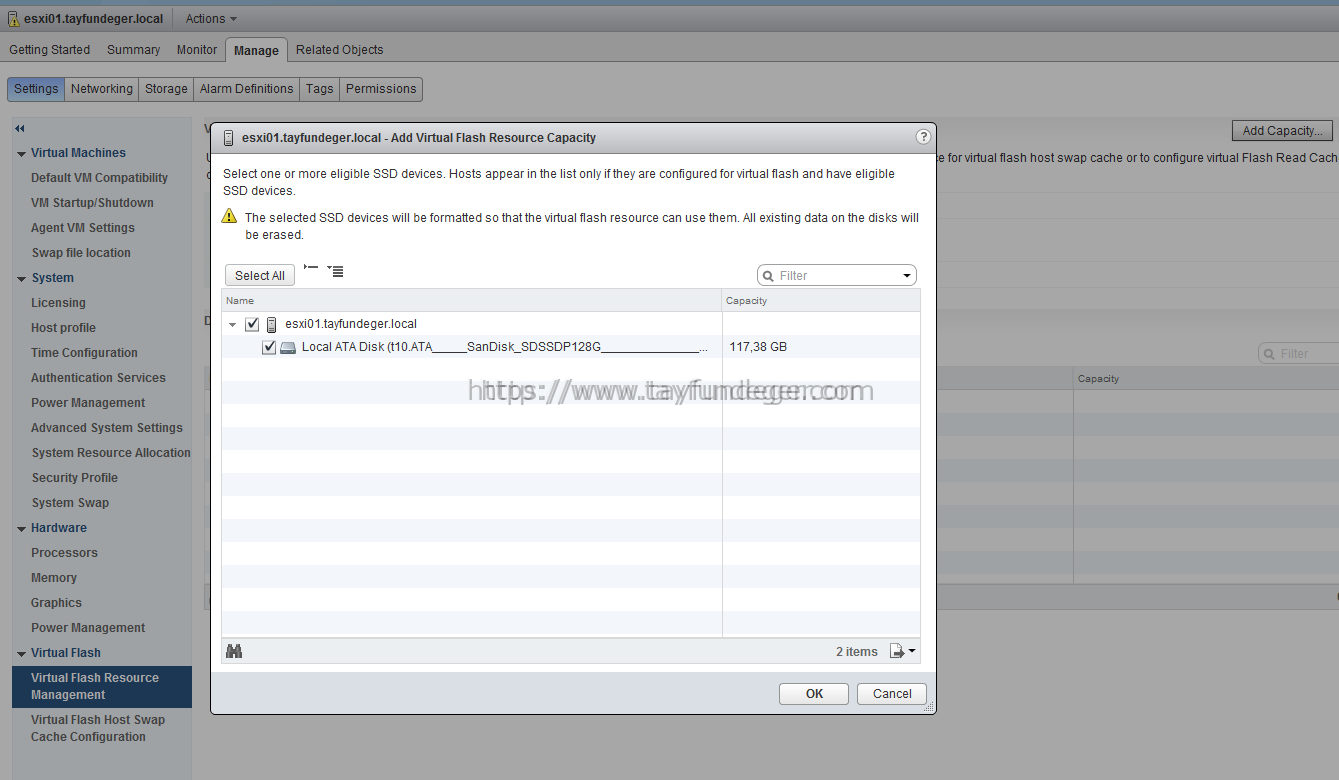
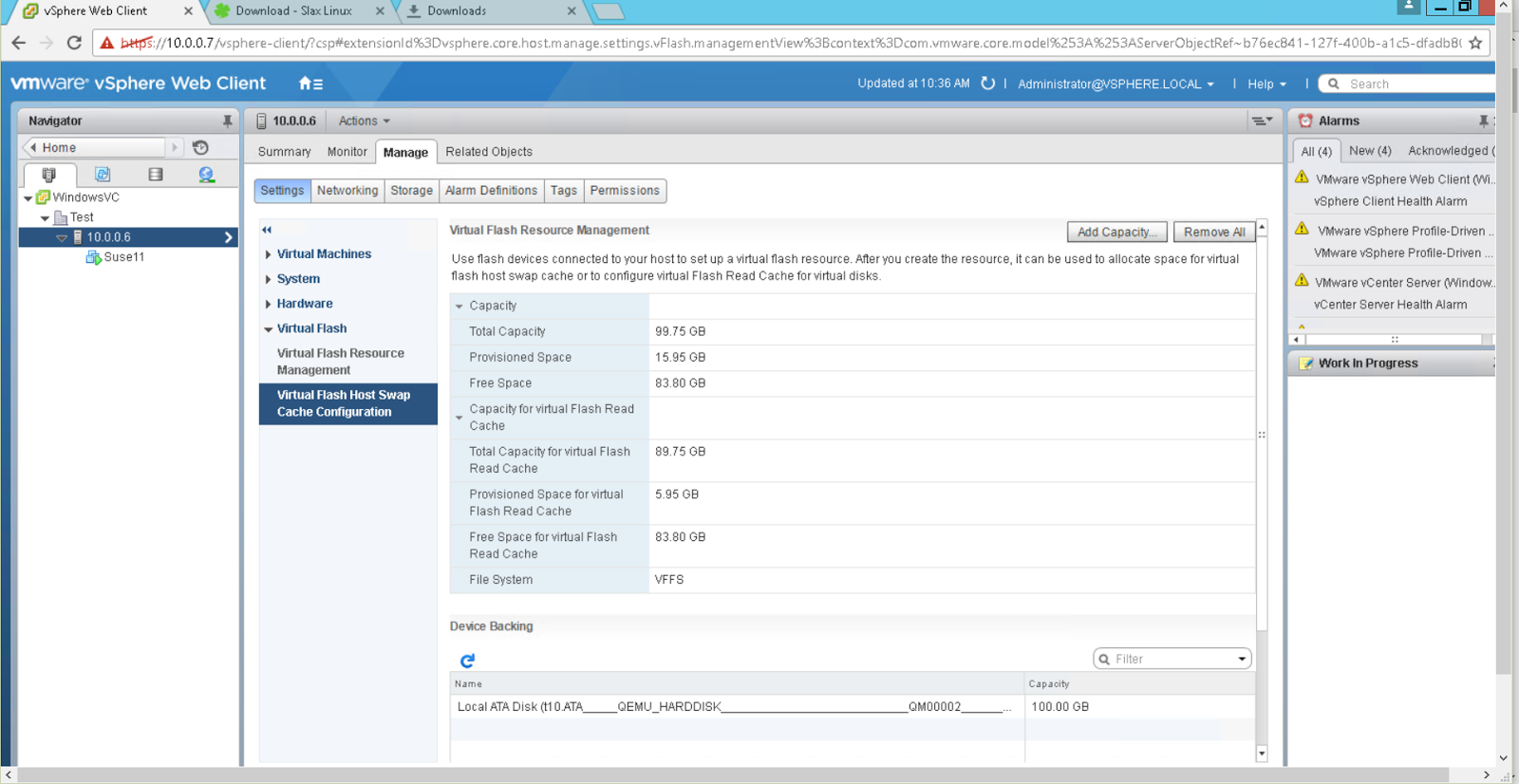
This monitor tracks the vCenter alarm that monitors host virtual flash resource status. By default, the alarm is triggered by the following events:. The host swap cache is allocated from a portion of the virtual flash resource. SSD disks can be configured to partly use the space for vFRC and partly for. As we have already shown above, go to ESXi host, Configure, and under Virtual Flash, select Virtual Flash Resource Management and click Add Capacity,.
A Virtual Flash resource is set up on an SSD device connected to your host and, if needed, the capacity can be increased. You can configure up to 8 SSD. Step 1: Check the health status of the host. Step 2: Verify the VMM service account is a member of the local administrator group on the host. Step 3: Check for. In vSphere 5.5 web client, go to esx host -> Settings -> Virtual Flash Resource Management, then click on "Add Capacity" button. The host/SSD.
Virtual Flash Device. Created in the Filesystem Device Switch (FDS). This FDS is a vmkernel module which sits between the virtual machine and the storage,. “Host’s virtual flash resource is inaccessible.” “The object or item referred to could not be found.” In order to reclaim the SSD you need to erase the proprietary. I know vFlash has been deprecated in 7.0, but it still shows up to some extend in resource manager. I also read in another post in r/homelab that you need the flash.