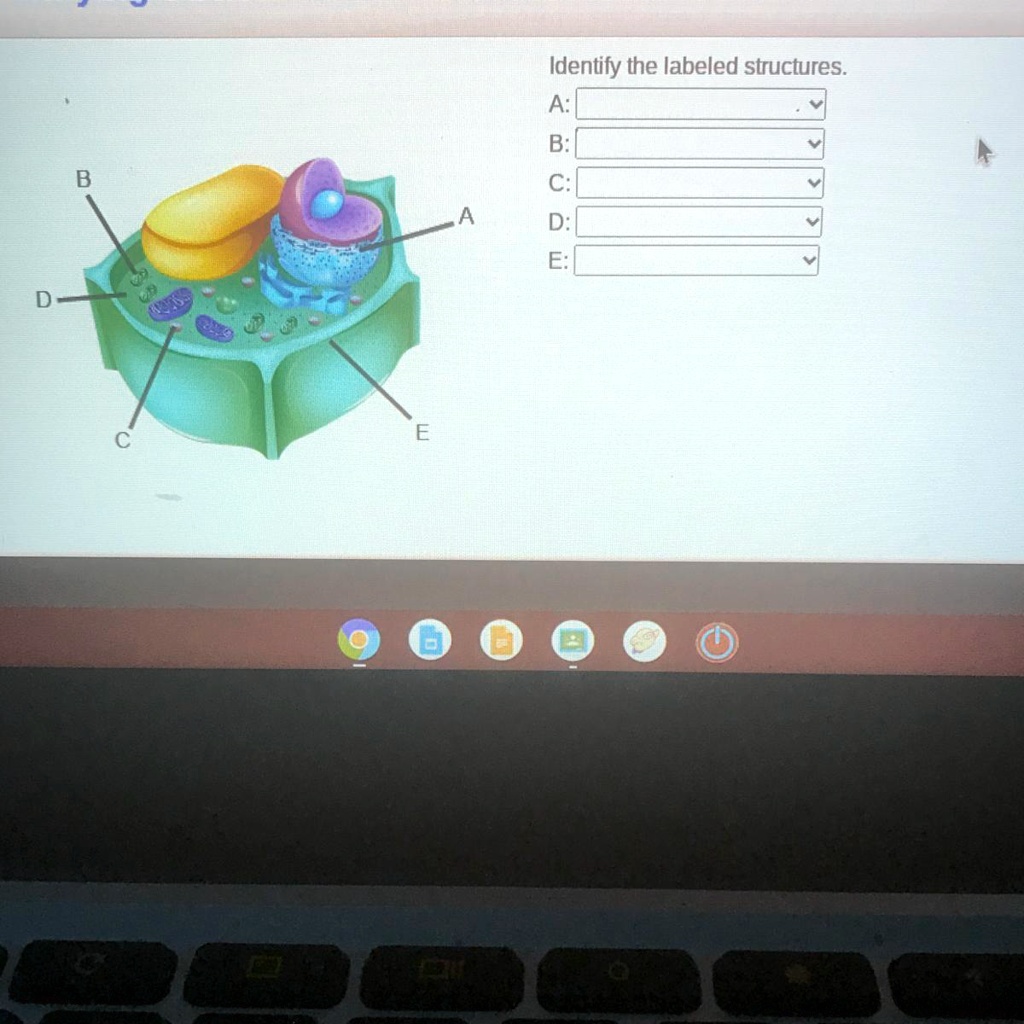
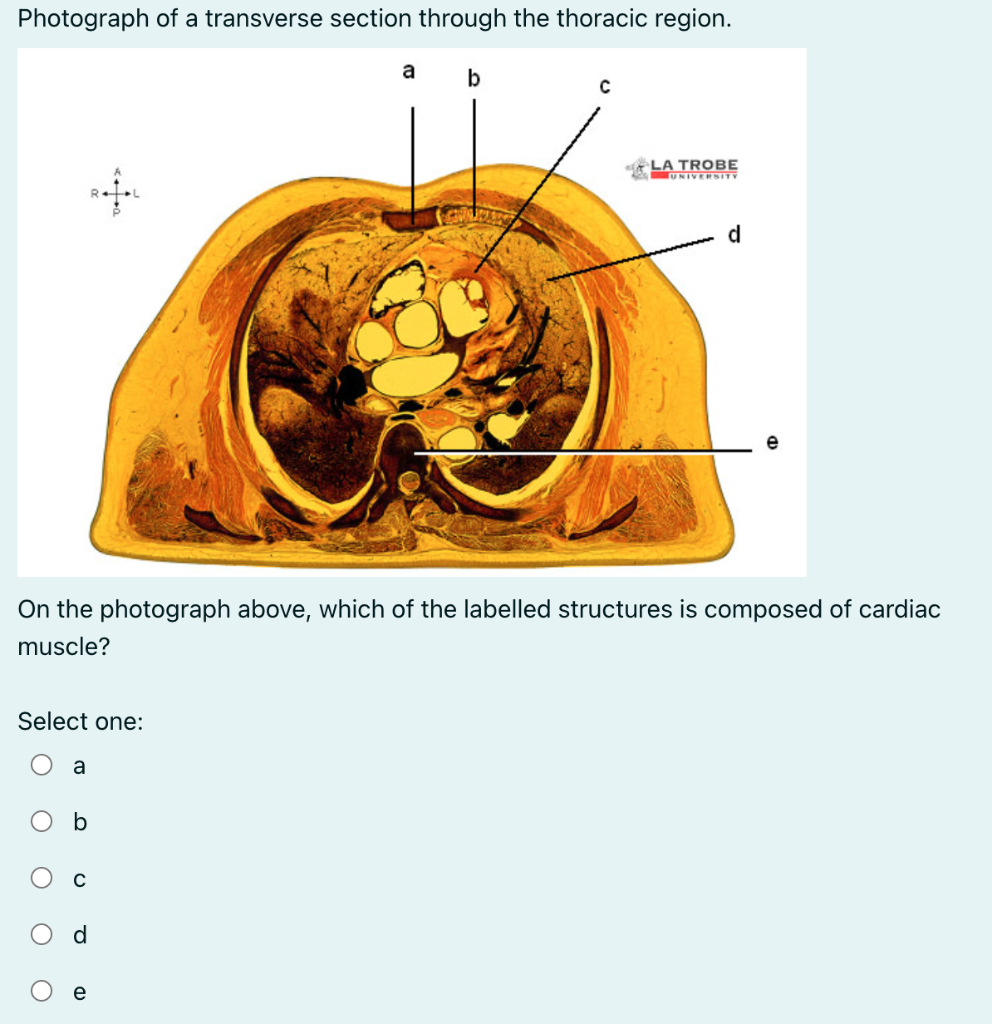
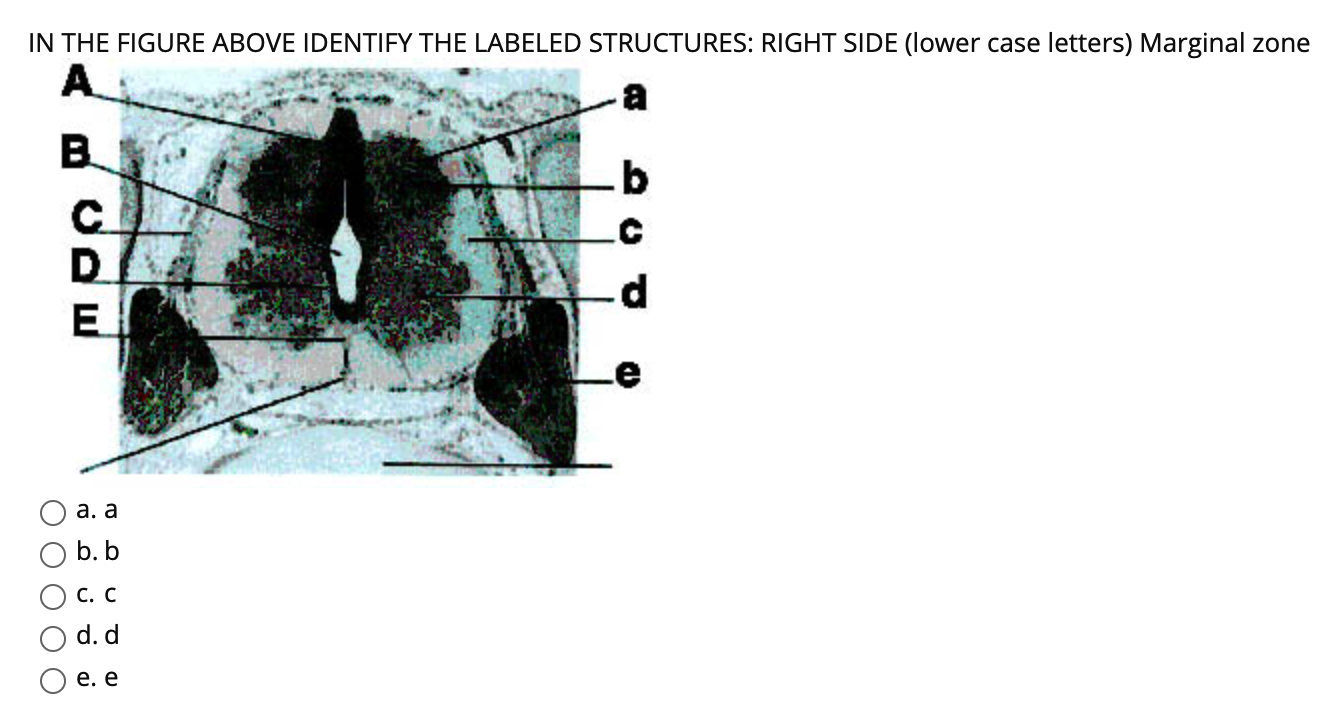
Identify The Labeled Structures A B C D E

A) Ependymal cell B) Internode C) Node of Ranvier D) Capillary E) Basal lamina A 2) Identify the structure(s) indicated by Label D. A) Neurons B) Astrocytes C). Answer: A: end...

Struktury oznaczone literami A, B, C, D i E są częścią anatomii człowieka. Każda z nich ma swoje własne funkcje i wpływa na naszą codzienną aktywność. W poniższym artykule omówimy każdą z tych struktur.
Struktura A
Struktura oznaczona jako A jest znana jako śledziona. Jest to organ, który znajduje się w prawym górnym boku brzucha, tuż pod żołądkiem. Jego głównym zadaniem jest produkcja krwinek czerwonych oraz białych, które następnie są wykorzystywane do walki z infekcjami. Śledziona ma również wpływ na rozpad czerwonych krwinek i usuwanie toksyn z organizmu.
Struktura B
Struktura oznaczona jako B to wątroba. Jest to narząd, który znajduje się w prawym górnym boku brzucha, tuż pod żołądkiem. Jego głównym zadaniem jest produkcja żółci i jej dystrybucja do organizmu. Wątroba jest również odpowiedzialna za usuwanie toksyn z krwi i metabolizowanie leków oraz innych substancji.
Struktura C
Struktura oznaczona jako C to trzustka. Jest to gruczoł, który znajduje się w prawym górnym boku brzucha, tuż pod żołądkiem. Jego głównym zadaniem jest produkcja enzymów trawiennych potrzebnych do strawienia pokarmu. Trzustka jest również odpowiedzialna za produkcję insuliny oraz innych hormonów.
Struktura D
Struktura oznaczona jako D to pęcherzyk żółciowy. Jest to organ, który znajduje się w prawym górnym boku brzucha, tuż pod żołądkiem. Jego głównym zadaniem jest gromadzenie żółci produkowanej przez wątrobę oraz jej uwalnianie do przewodu pokarmowego. Pęcherzyk żółciowy jest również odpowiedzialny za regulację trawienia tłuszczów.
Struktura E
Struktura oznaczona jako E to jelito cienkie. Jest to narząd, który znajduje się w przewodzie pokarmowym, tuż za żołądkiem. Jego głównym zadaniem jest absorbcja składników odżywczych z pożywienia. Jelito cienkie jest również od
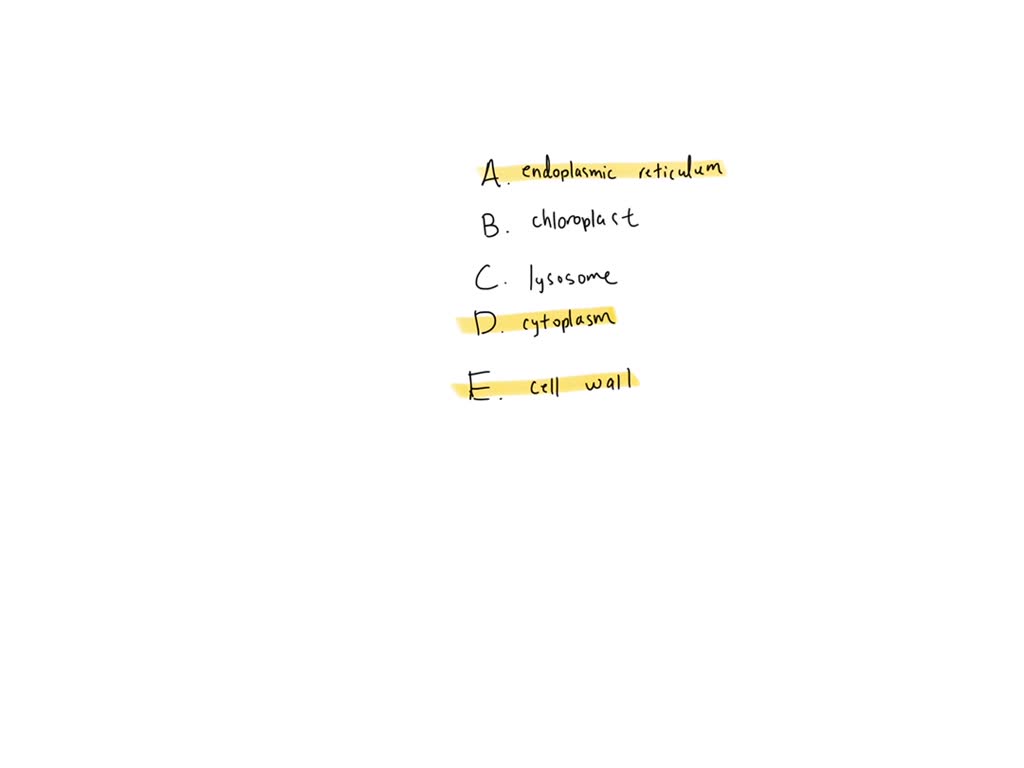
A) Ependymal cell B) Internode C) Node of Ranvier D) Capillary E) Basal lamina A 2) Identify the structure(s) indicated by Label D. A) Neurons B) Astrocytes C). Answer: A: endoplasmic reticulum. B: chloroplast. C: lysosome. D: cytoplasm. E: cell wall. Explanation: i got it right <3 Correct option is A) A)Synergids-present at the micropylar end. B)Polar nuclei-fused with male gamete to form the endosperm. D)Antipodal cells-three in number present at.
All organism are made of cells. Identify the type of cell shown in figure 3.1. Eukaryotic. Which organelle is the store house for most of the cells genetic information. nucleus.. Science Biology In the figure, identify the labeled structures. Select your answers from the following list of structures: A. Nail plate B. Eponychium C. Hyponychium D. Nail. Morphine is used as an analgesic (pain reliever), myocardial…. Q: Explain Alternative resolution of a Holliday structure. A: Answer: Introduction: Holliday junctions (HJs).
B. Vacuole. C. mitochondria. D. nucleus. E. cell membrane. Explanation. Golgi apparatus. Golgi apparatus, is a cell organelle that helps process and package. View the full answer. Transcribed image text: QUESTIONS 12-17: Use the following list of terms to identify the labeled structures in the photo. a. Dendrites b. Neuroglia c.. SOLVED: 'Identify the labeled structures. A: B: C: D: E: The multiple questions are the same for each question. Please help! 0 0 4 Canvas School Workee Identify the.
1) Liver:-Liver is the largest organ of the body and is located in the upper right portion of the abdominal cavity. 2) Gall bladder:-Gall bladder is a small hollow organ and is. Non-linear data structures are those that do not show adjacency relationship between its elements. Non-linear abstract data types include labeled graphs and trees. Linear.