Mg 2Hcl Mgcl2 H2 Oxidation And Reduction

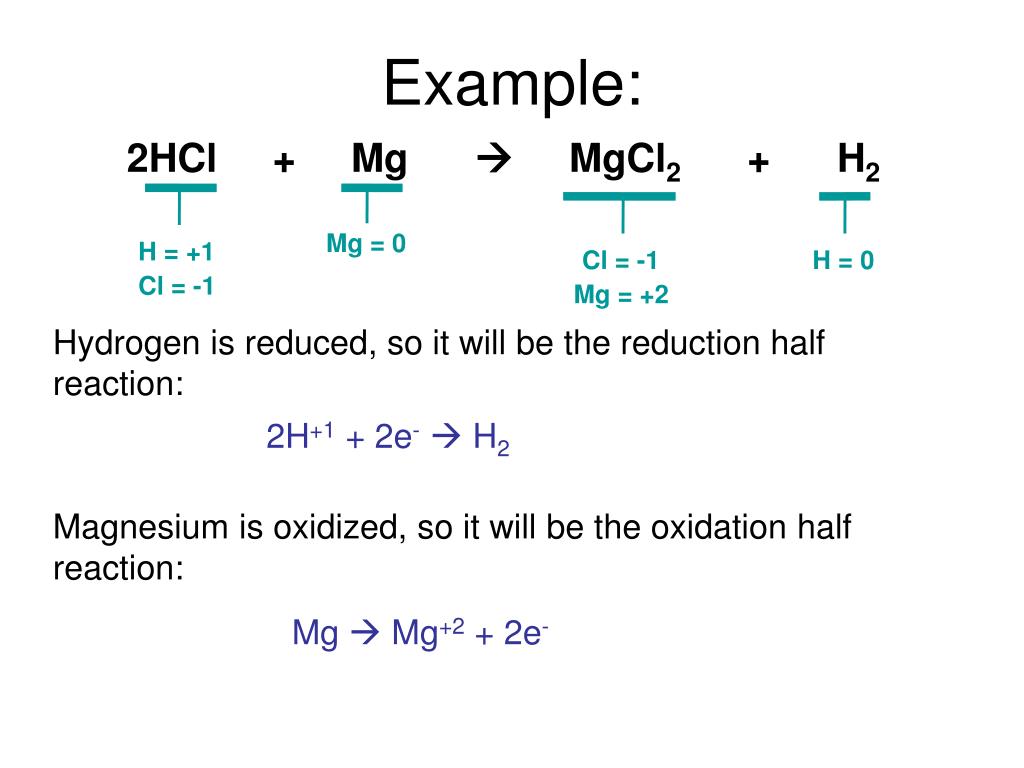
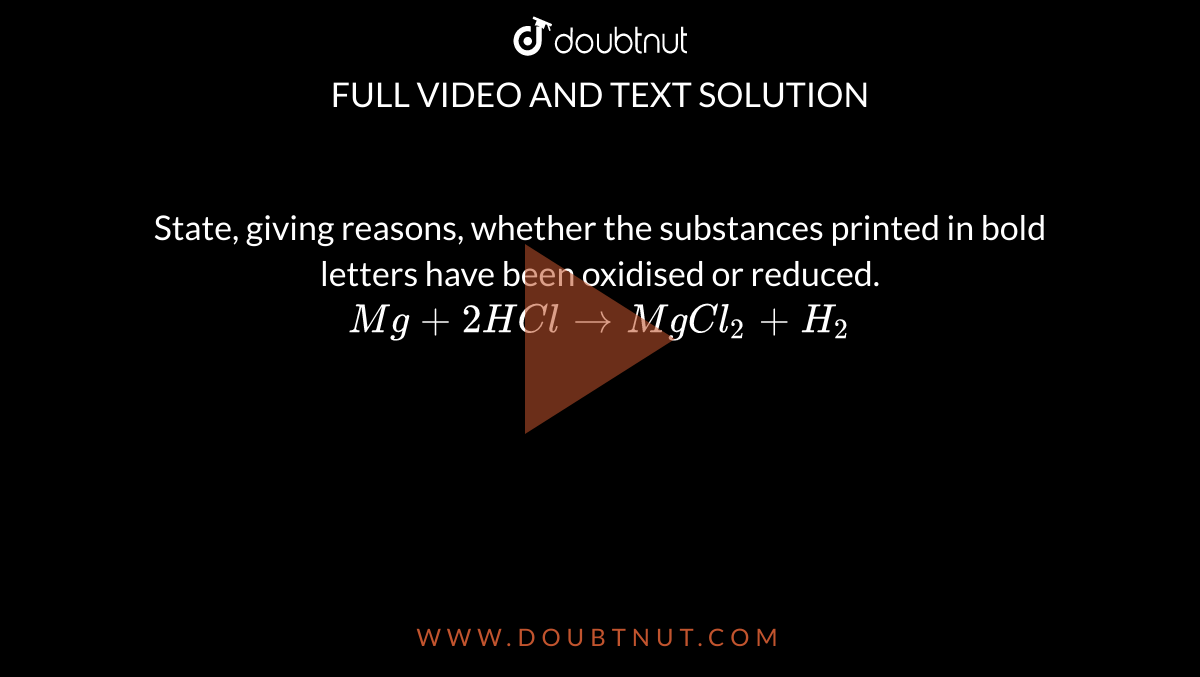
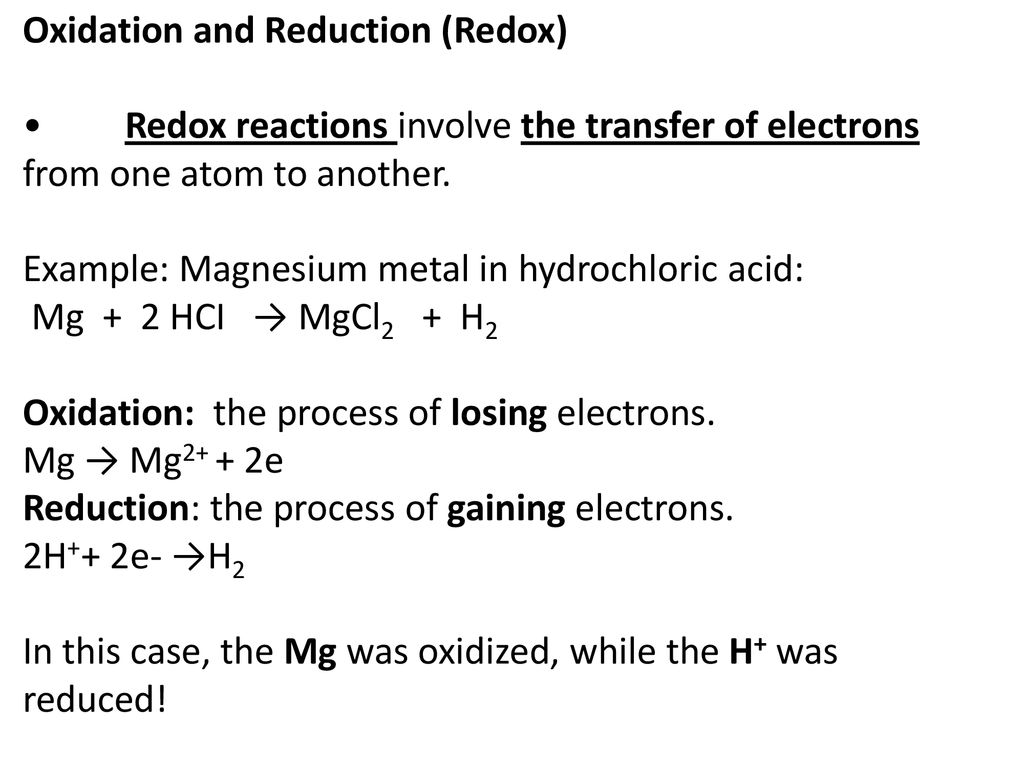
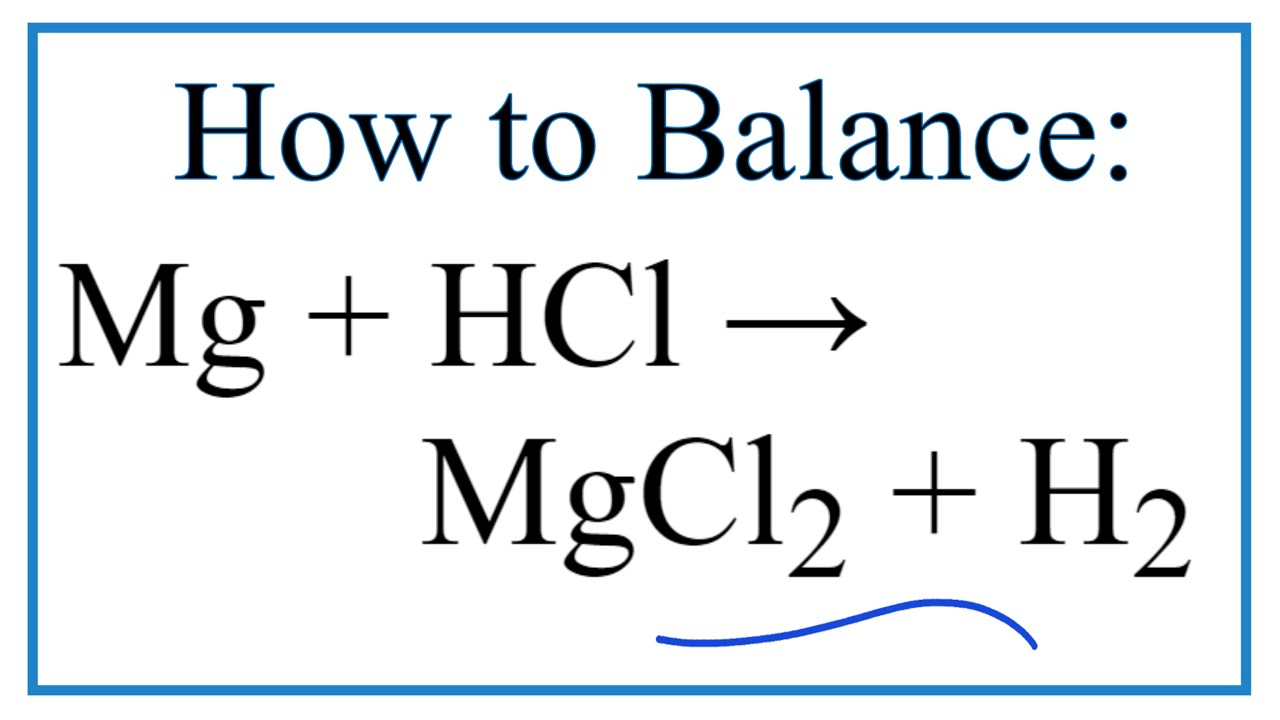
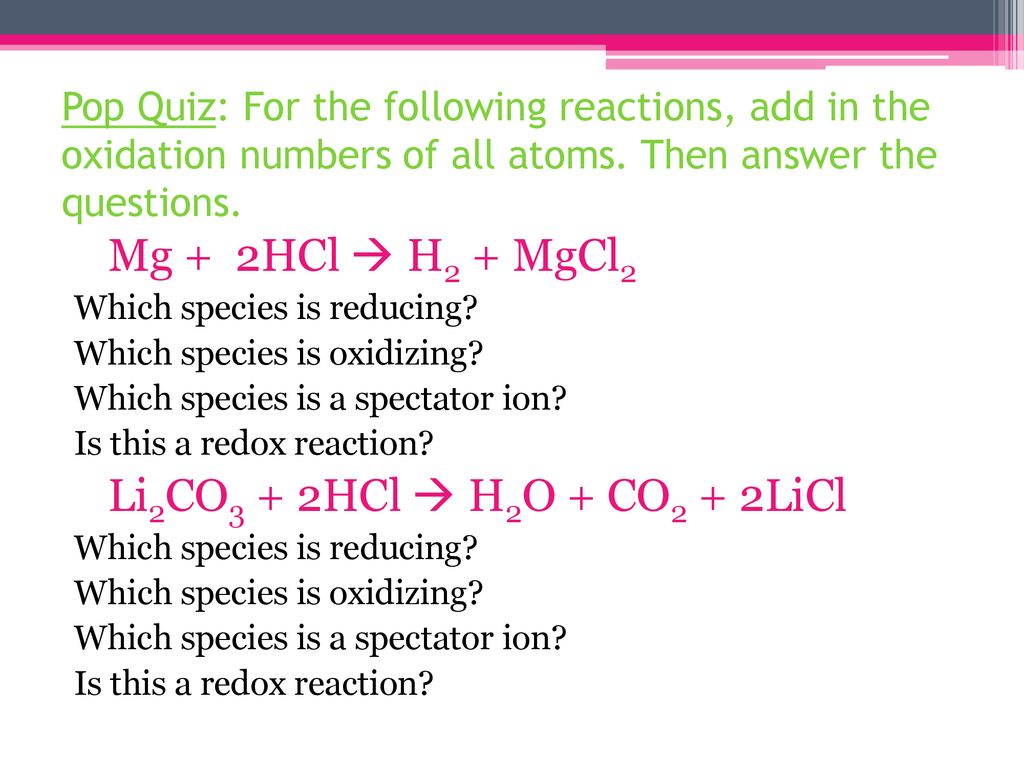
Mg + 2HCl = MgCl2 + H2 is a redox reaction where Mg is oxidized and H is reduced. Mg is a reducing agent (i.e. it lost electrons) and HCl is a oxidizing agent (i.e. it gained....

Oxidation and Reduction są dwoma podstawowymi procesami chemicznymi, które występują w wielu reakcjach. Są one definiowane jako wymiana elektronów między cząsteczkami lub atomami. W reakcji Mg2HCl + MgCl2 → H2, zarówno procesy utleniania, jak i redukcji występują.
W pierwszym kroku, magnez (Mg) jest utleniany z Mg2HCl do MgCl2, co powoduje, że magnez stracił jeden elektron. Oznacza to, że magnez został utleniony. Od tego momentu magnez jest źródłem utleniania w tej reakcji.
W drugim kroku, wodór (H) w Mg2HCl jest redukowany do H2 (wodór gazowy). Oznacza to, że wodór zyskał jeden elektron. Od tego momentu wodór jest źródłem redukcji w tej reakcji.
Reakcja utleniania-redukcji jest zazwyczaj używana do wytwarzania energii w procesie fotosyntezy. Proces ten wymaga, aby utlenianie i redukcja odbyły się jednocześnie, aby uzyskać pożądany efekt.
Aby zrozumieć, jak reakcja utleniania-redukcji działa w reakcji Mg2HCl + MgCl2 → H2, należy wziąć pod uwagę, że magnez jest źródłem utleniania, a wodór jest źródłem redukcji. Oznacza to, że magnez przekazuje jeden elektron, a wodór przyjmuje jeden elektron.
Poniższy schemat ilustruje, jak wygląda reakcja utleniania-redukcji w reakcji Mg2HCl + MgCl2 → H2:
- Magnez (Mg) jest utleniany z Mg2HCl do MgCl2, co powoduje, że magnez stracił jeden elektron.
- Wodór (H) w Mg2HCl jest redukowany do H2 (wodór gazowy), co powoduje, że wodór zyskał jeden elektron.
Utrwalenie wyżej wymienionych informacji jest ważne, aby zrozumieć, jak działa reakcja utleniania-redukcji w reakcji Mg2HCl + MgCl2 → H2. Aby pogłębić swoją wiedzę na ten temat, zalecamy zapoznanie się z dostępnymi zasobami online, takimi jak książki, artykuły i wideo.
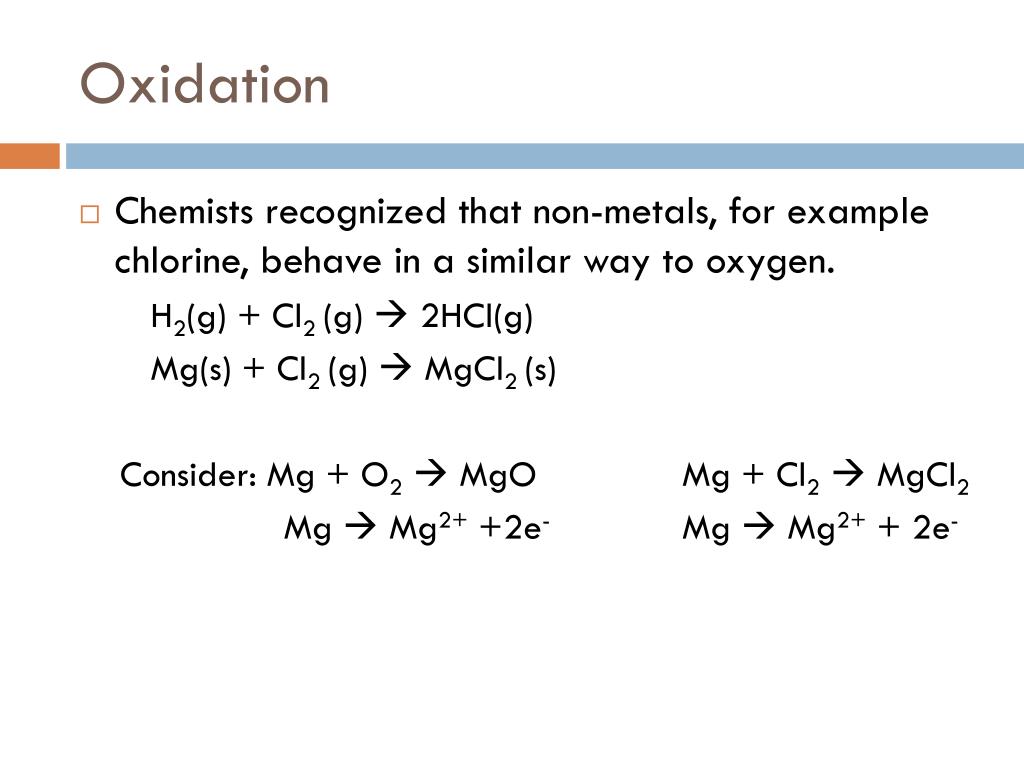
Mg + 2HCl = MgCl2 + H2 is a redox reaction where Mg is oxidized and H is reduced. Mg is a reducing agent (i.e. it lost electrons) and HCl is a oxidizing agent (i.e. it gained. Two Cl are present in magnesium chloride, so if Mg is +2 then Cl is -1. Oxidation number of H on product side is 0 as it is present in its elemental for, , So, it. In the given reaction, oxidation to M g2+ occurs: M g(s) → M g2+ + 2e− (i) Whereas hydrogen ion, hydronium ion, is reduced to dihydrogen gas....... +I.
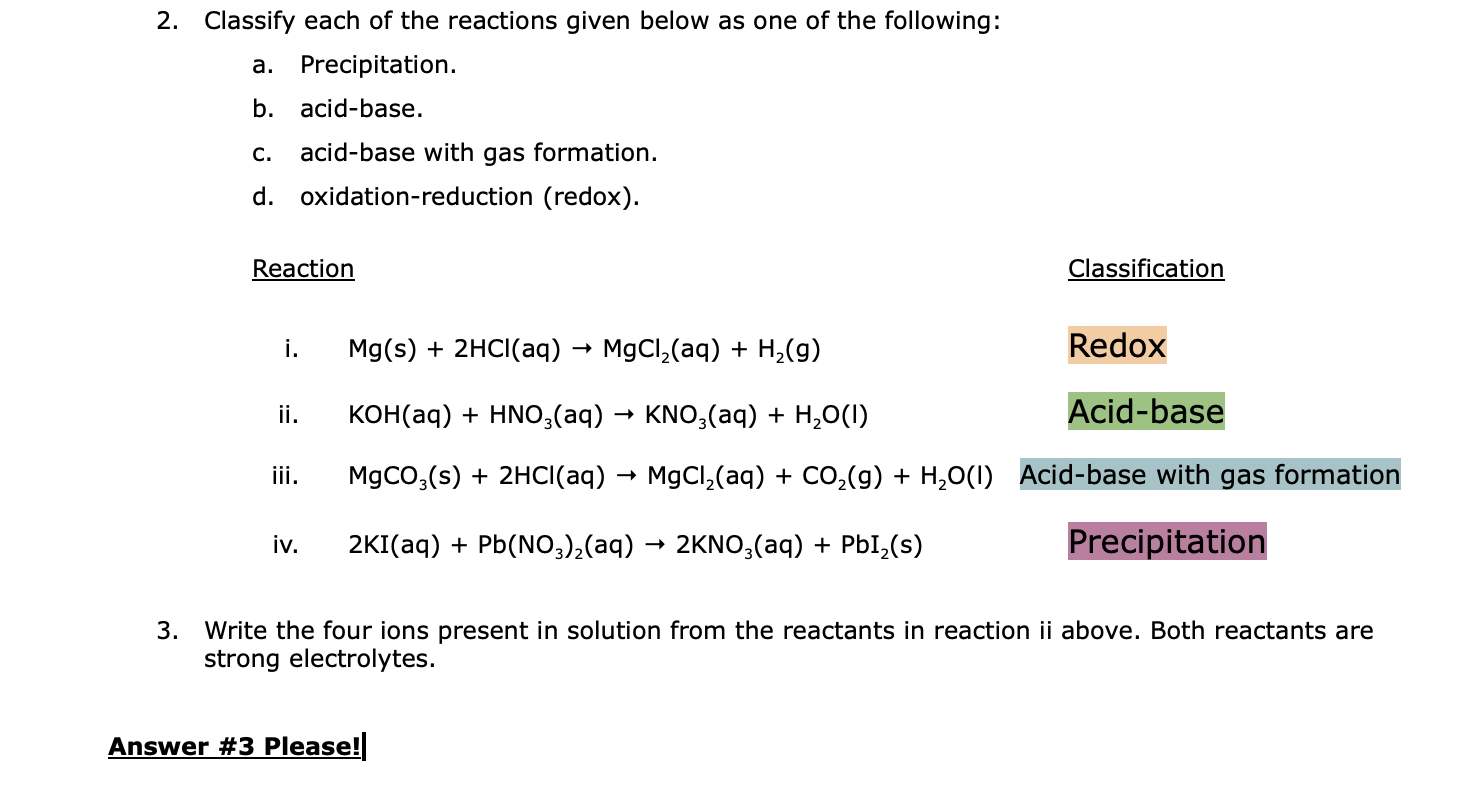
Mg(s)+2HCl(aq)→MgCl 2(aq)+H 2(g) Magnesium is a reactant, which is present to the left of the reaction arrow. Now, this chemical equation describes a redox reaction.. Balanced Chemical Equation - Solution Mg (OH)2 + 2HCl → MgCl2 + 2H2O The coefficients show the number of particles (atoms or molecules), and the. Answer (1 of 2): I would encourage you to do your own homework, but i will say that sometimes i have to ask my own on quora as well. Please read it instead of just.
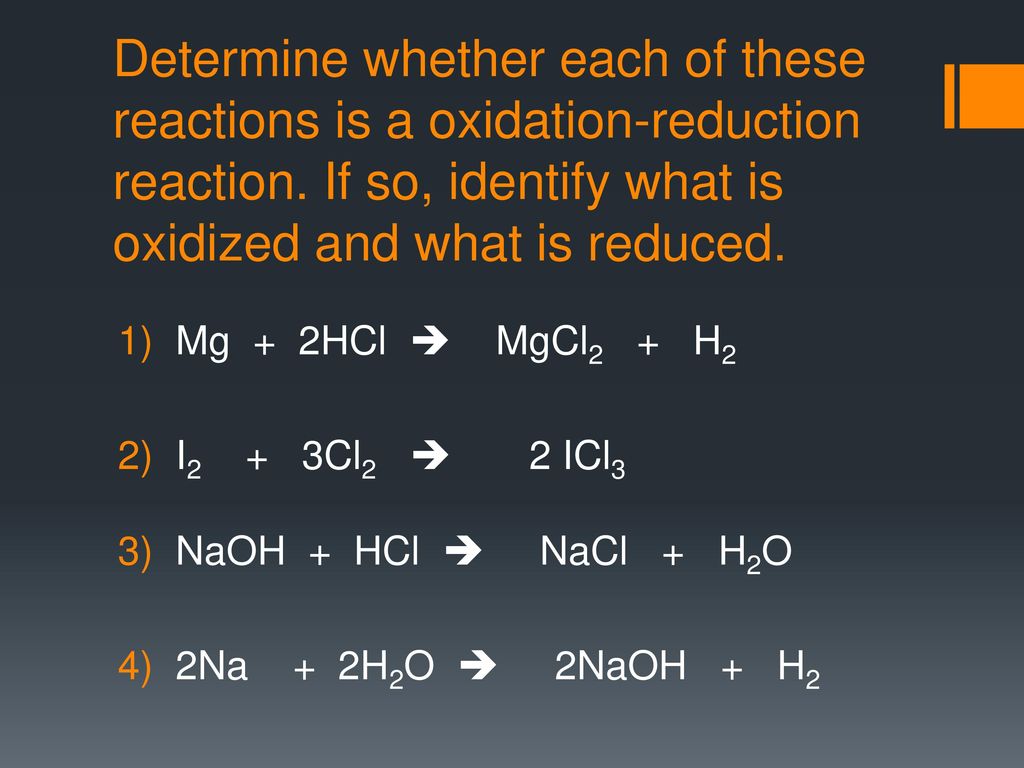
Oxidation-Reduction Worksheet. For each reaction below, identify the atom oxidized, the atom reduced, the oxidizing agent, and the reducing agent. 1) Mg + 2HCl (. Oxidation-Reduction Worksheet. For each reaction below, identify the atom oxidized, the atom reduced, the oxidizing agent, and the. reducing agent. 1) Mg + 2HCl テ MgCl2+. In the chemical equation given to you. Mg(s) +2HCl(aq) → MgCl2(aq) + H2(g) magnesium is a reactant, which is why you see it added to the left of the.
Comment if you have any questions.If you would like to support my homework help project or find more information about what I doPatreon: https://www.patreon.... See the answer. Mg + 2HCl → MgCl2 + H2 Chemistry Electrochemistry Oxidation and Reduction Reactions. Write The Net Ionic Equation For This Overall.